
A force for good in motoring
In the early days of RACQ, our members banded together to use their cars for good, transporting patients, veterans, and disadvantaged kids.
Our desire to help and protect others on the road hasn't changed.
Now, we’re using education and advocacy to make transport eco-friendly, more affordable, and safer for all. And, as always, we’ll keep supporting Queenslanders with our roadside and insurance.
Over 58,000 participants in RACQ road safety programs across Queensland in FY25^
Our motoring products and services





Tools and calculators



Learn more about motoring
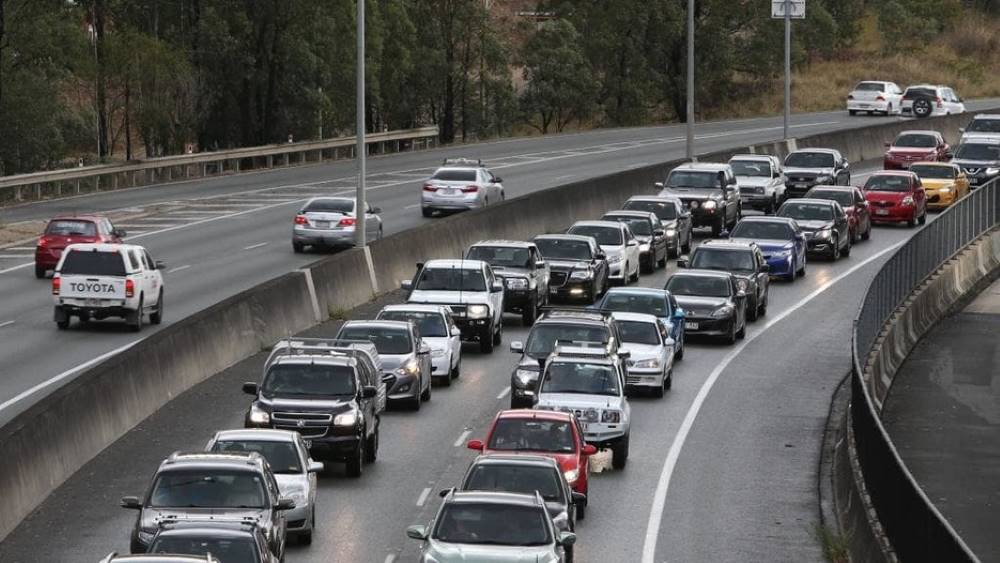
Whether you drive an EV, an RV, or an SUV, we have motoring advice to make your transport more safe, sustainable and affordable.
Cars and driving
Electric vehicles and emerging tech
Browse articles
Select topic
x
Enjoy RACQ member discounts~~

Drive further for less with 4 cents off per litre on fuel at participating Caltex service stations#.

Gear up for savings with 5% off in-store and online at Repco.

Don’t get caught flat- save $25 on car and leisure batteries.

Get a cracking good deal with $25 off windscreen replacement.
Things to note
Banking and loan products issued by Members Banking Group Limited ABN 83 087 651 054 AFSL/Australian credit licence 241195 trading as RACQ Bank. Terms, conditions, fees, charges and lending policies apply. This is general advice only and may not be right for you. This information does not take your personal objectives, circumstances or needs into account. Read the disclosure documents for your selected product or service, including the Financial Services Guide and the Terms and Conditions, and consider if appropriate for you before deciding.
Except for RACQ Bank, any RACQ entity referred to on this page is not an authorised deposit-taking institution for the purposes of the Banking Act 1959 (Cth). That entity’s obligations do not represent deposits or other liabilities of RACQ Bank. RACQ Bank does not guarantee or otherwise provide assurance in respect of the obligations of that entity, unless noted otherwise.
RACQ Bank subscribes to the Customer Owned Banking Code of Practice which establishes higher standards than the law requires. The Code reflects modern consumer expectations and developments in approaches to issues such as consumer vulnerability, guarantors, and supporting customers through financial hardship. Please read our Customer Owned Banking Code of Practice page for more information.
~~ Terms and conditions apply to all offers. View the individual offer for full details. Offer is subject to availability and may be withdrawn at any time without notice.
#Conditions apply. Offer available at participating Caltex service stations. Visit racq.com/caltex for details.
Insurance Products (excluding Travel Insurance) are issued by RACQ Insurance Limited ABN 50 009 704 152 (RACQI) and arranged by RACQ Distribution Services Pty Ltd (RDS) ABN 35 116 361 650, AFSL 567130 and RDS' authorised representatives (including RACQ Operations Pty Ltd ABN 80 009 663 414, AR No. 234978 (RACQO)). Conditions, limits and exclusions apply.
Any advice provided by RDS and RACQO is general advice only and does not take into account your personal objectives, financial situation or needs and you will need to consider whether the advice is appropriate for you. Read the Product Disclosure Statement (PDS) before making a purchase decision on the product. You can also access our Target Market Determinations on this website.
RDS receives a commission from RACQI for the policies it arranges. RACQO receives fees paid for services it provides to RDS. Further details about remuneration are available on request prior to purchasing.
^Figures based on FY25 statistics. See the RACQ Annual Report 2024-2025 for more details.
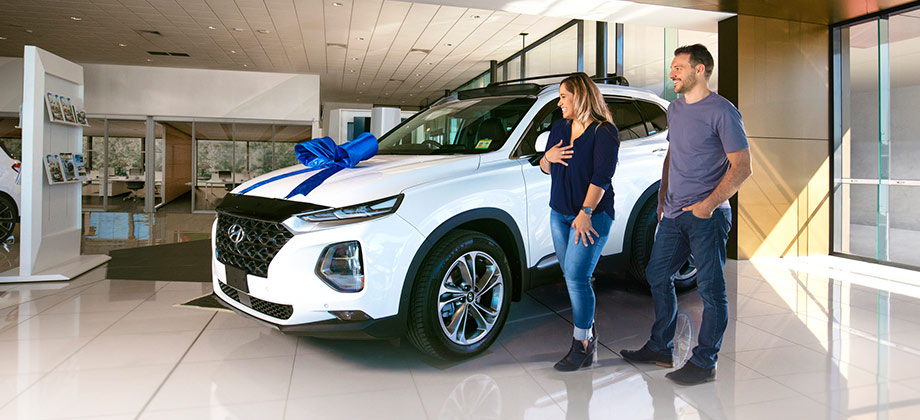
**QLD 16+ only. Terms and conditions apply. Read the “Santa Fe Giveaway Competition” T&Cs for full details. Competition ends 30 June 2026.