
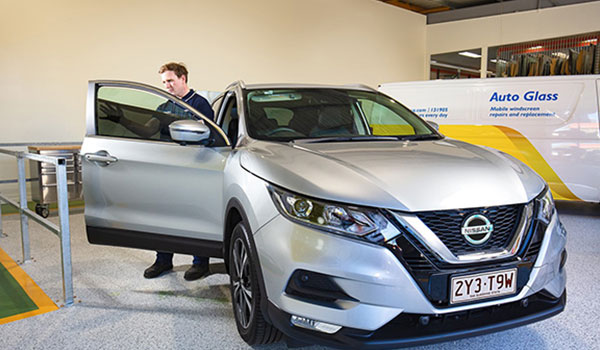
Drive in comfort and style with RACQ Car Window Tinting
Enjoy Queensland’s sunny days from the comfort of your car with RACQ Car Window Tinting. Our high-quality tints block the sun’s harmful ultraviolet rays, protecting your skin and keeping your family cooler and safer on the road. Plus, our window tinting comes with a lifetime warranty on workmanship*, so you know you can rely on RACQ Auto Glass.
- Year-round UV protection
- Darkest legal tint available
- Lifetime warranty*
- Remove and replace old tint (additional cost applies)

Why tint your car windows?
Window tinting isn’t just for keeping your car looking and feeling cool. When you protect your car from Queensland’s harsh UV rays, you’ll also enjoy extra benefits.
-
 Increased air-conditioning efficiency
 -
Reduced wear and tear on your car’s interior
-
Improved safety in a collision
-
More privacy
-
Reduced glare
-
Skin protection
Compare car window tinting options
We offer competitively priced window tinting, and RACQ members save even more, with $25 off the regular retail price.
You can easily compare car window tinting options online, or if you prefer to talk to someone about your needs, call us on 1300 211 656. Our friendly team will help you choose the right tint for your vehicle.
| Classic Black | Nano-Ceramic | Nano-Ceramic Heatshield |
|---|
| Featureshide | |||
|---|---|---|---|
| Construction | Colour Stable Dye | Ceramic Particles | Nano-Ceramic Coating |
| Heat Rejection (TSER) | 33% | 53% | 60% |
| Infrared Rejection |  |
76% | 92% |
| UV Rejection | 99% | 99% | 99% |
| Appearance | Premium Black | Graphite Black | Vanta Black |
| Warranty | Lifetime | Lifetime |
Lifetime |
| Signal & Electronics Friendly |  |
|
|
| Pricing^hide | |||
|---|---|---|---|
| Member | Non-member | Member | Non-member | Member | Non-member | |
| Single Cab Ute | $280 | $305 | $320 | $345 | $370 | $395 |
| Single Cab Van | $280 | $305 | $320 | $345 |
$370 | $395 |
| Dual/Extra-Cab Ute | $360 | $385 | $400 | $425 | $450 | $475 |
| Hatchback - Coupe | $380 | $405 | $420 | $445 | $470 | $495 |
| Sedan | $420 | $445 | $460 | $485 |
$510 | $535 |
| Small SUV/Wagon | $420 | $445 | $460 | $485 | $510 | $535 |
| 4x4 - Large SUV/Wagon | $460 | $485 | $500 | $525 | $550 | $575 |
| People Mover | $560 | $585 | $600 | $625 | $650 | $675 |
| Enquire online | Enquire online | Enquire online | |
Windows tinting options
Whether you want the same tint applied all around your car, you prefer a darker tint on the rear glass, or you want to tint your car’s windows but already have privacy glass installed, we can get the job done.
|
VLT |
Same darkness all around |
Darkest legal for front section & |
Darkest legal for front section & |
|
Front Section |
35% VLT | 35% VLT | 35% VLT |
|
Rear section |
35% VLT | 20% VLT | Clear film |
Car window tinting aftercare
Get the most out of your car window tinting by following a few simple steps after your tint has been applied.
-
Keep your car’s windows wound up for two daysThis will stop any uncured film catching on the windows’ seals.
-
Wait four days before you clean your windowsThis will prevent moving any uncured film when wiping.
-
Take care when cleaning your windowsUse a microfibre cloth and water to clean your windows.
-
Expect windows to appear wet or hazy for up to two weeksInstallers use a slip solution to place the film onto the window, this will dry out.
Why choose RACQ Auto Glass for your car window tinting?
-
Book into your local service centre
Use our online store locator to find your nearest service centre today.
-
You can rely on our auto glass technicians
Know your car is in experienced and qualified hands.
-
Get a lifetime warranty on workmanship*
Trust us to do the job right the first time.
-
Enjoy RACQ member discounts
Members save $25 on window tinting services.
Find your local RACQ Auto Glass workshop
Car window tinting FAQs
Things to note
*Refer to our terms and conditions for information about what you can claim under warranty.
^Prices displayed on this page are a guide only, actual price to be confirmed at booking.
Member discount is off the recommended retail price. Offer is available until further notice, subject to change without notice and may be withdrawn at any time.
RACQ may need to collect personal information from you to support you with your inquiry, assess your eligibility for any of our products or services, or to provide general support. By providing your details, you agree to RACQ collecting, holding, using, and disclosing your personal information pursuant to our Privacy Statement and Assistance Privacy Collection Notice, available from racq.com or you can request a copy.