

Hong Kong stopover guide: Best things to do, see and eat
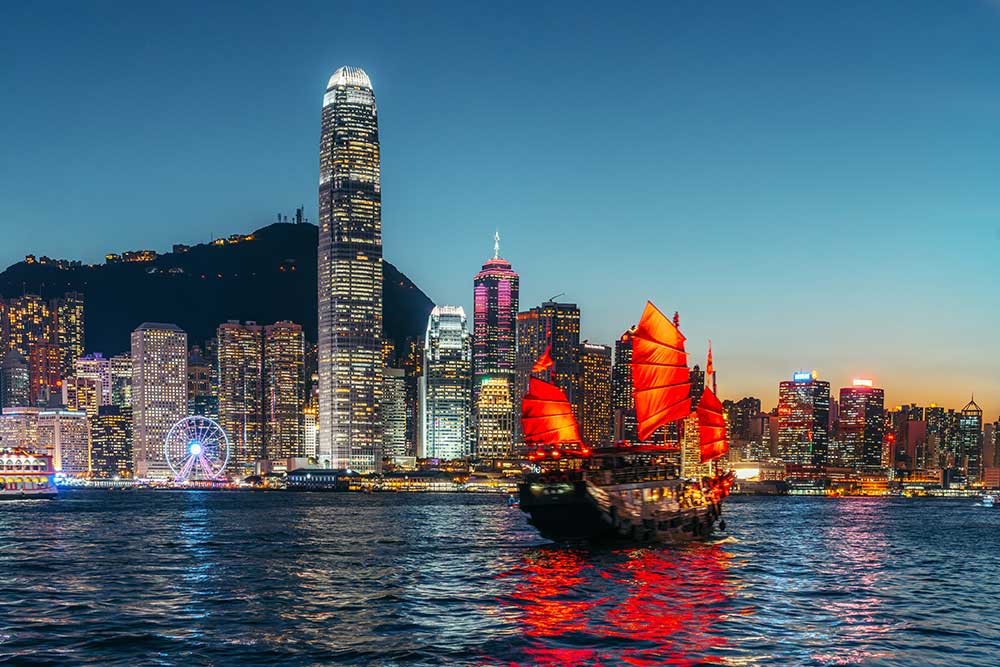
Hong Kong at a glance
- Best for: Culture, food, shopping, nightlife and stopover escapes.
- Ideal length of stay: Three nights for the highlights; five-plus nights to explore beyond the city centre.
- Don't miss: Victoria Peak, the Star Ferry, Man Mo Temple, PMQ and the West Kowloon Cultural District.
- Getting around: Fast, affordable public transport including the MTR, ferries, trams and buses; an Octopus Card is essential.
- Best time to visit: Autumn (October to early December) for low humidity, mild temperatures and minimal rain
Returning to Hong Kong is like reconnecting with an old friend
After a busy month in Europe and the UK, arriving in Hong Kong for a three-night stopover felt like reconnecting with an old friend.
I have visited the city regularly for more than 20 years and now count several locals among my friends.
Every visit feels comfortably familiar yet still exciting, with new restaurants, galleries and precincts receiving a makeover.
Home to almost eight million people crammed into a 1,111 square kilometre area, Hong Kong is one of the world's most densely populated cities.
There’s no urban sprawl – towering skyscrapers dominate the skyline.
A high-density city relies on an efficient transport network and Hong Kong’s public transport system is efficient, reliable and thankfully affordable.
The city is divided into Hong Kong Island, Kowloon and the New Territories, with the MTR (Mass Transit Railway) providing the easiest way to get around.
Double-decker buses, historic trams, ferries and taxis complete a network that makes exploring relatively easy.
I usually stay on Hong Kong Island.
After collecting my luggage, I board the Airport Express and, just 24 minutes later, arrive at Central Station. From there it's a short taxi ride to an apartment on Bridges Street.
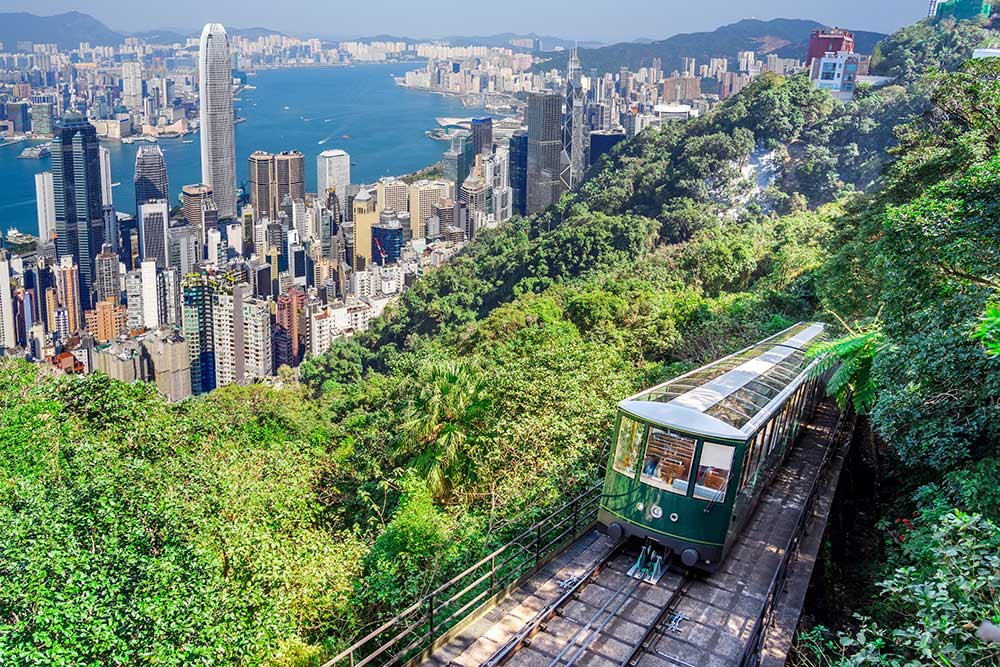
Hong Kong Peak Tram takes passengers up to Victoria Peak for stunning views of the skyline.
Short layovers: What not to miss
A first stop should be Victoria Peak on Hong Kong Island.
Rising 552m above sea level, it delivers sweeping views across Victoria Harbour and one of the world's most impressive skylines.
Ride the historic Peak Tram, Asia's first cable funicular railway dating back to 1888, take a taxi or hike if time permits.
Whether viewed in daylight or after dark from Sky Terrace 428, Hong Kong's highest viewing platform, the panorama never disappoints.
Back at street level, follow the scent of incense to Man Mo Temple on Hollywood Road.
Built between 1847 and 1862, the temple honours the gods of literature and war and remains an active place of worship.
Beneath its green-tiled roof, giant incense coils hang high above worshippers offering fruit and lighting incense. The peaceful interior is in contrast with the city's frenetic pace outside its temple doors.
A short walk away is Cat Street, officially Upper Lascar Row – a thoroughfare road between the Central and Western Districts of Hong Kong Island.
The feline moniker was bestowed in the 1920s when it was notorious for the selling of second-hand goods and antiques.
Today it's lined with shops selling vintage treasures, jade, Chinese artwork and quirky souvenirs.
The surrounding ladder streets, with their steep stone staircases, are best explored on foot, so wear comfortable shoes.
Continue towards Soho onto Aberdeen Street to find PMQ (Police Married Quarters), a creative hub for local designers.
One of Hong Kong's successful heritage revitalisation projects, the former police dormitory has been transformed into design studios, artisan workshops, independent boutiques, and cafes.
Whenever I visit Hong Kong, I always return to PMQ in search of locally designed homewares, jewellery or fashion that can't be found anywhere else.
Victoria Harbour separates Hong Kong Island from Kowloon, but crossing is easy.
While the MTR travels beneath the harbour, I prefer taking the iconic Star Ferry. For just a few Hong Kong dollars, boarding the rickety old wooden vessel provides one of the world's great ferry rides, and unbeatable harbour views.
Once in Kowloon, stroll along the Tsim Sha Tsui waterfront to the Avenue of Stars.
This 400m promenade celebrates Hong Kong's film industry with statues, handprints and displays honouring stars including Bruce Lee and Jackie Chan.
It's also a great vantage point for photographing Hong Kong Island's glittering neon skyline.
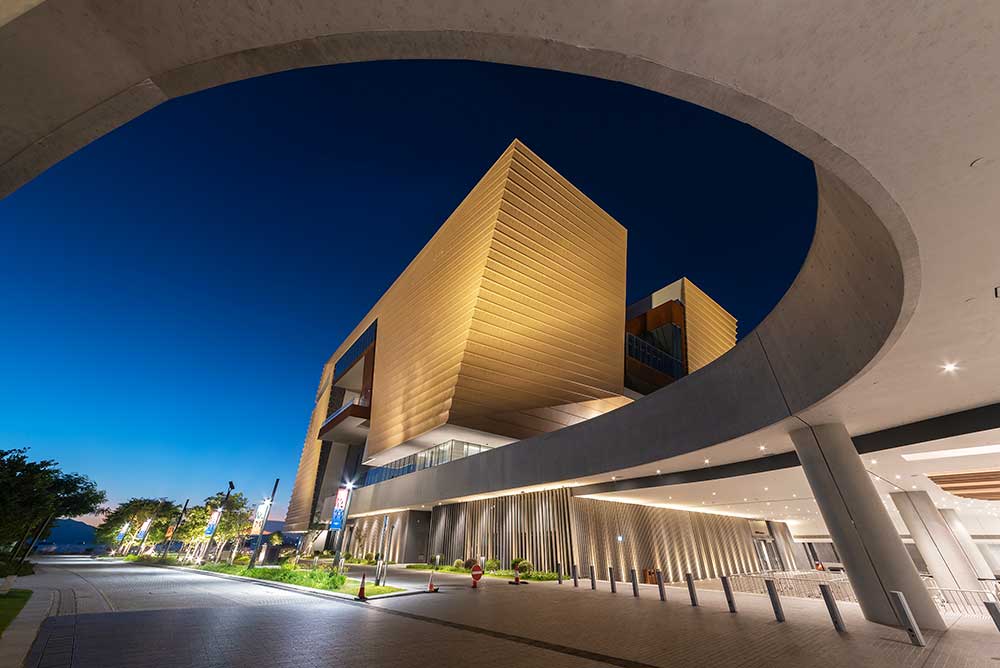
Hong Kong Palace Museum in the West Kowloon Cultural District.
If you have more time in Hong Kong
While two or three nights provides a teasing taste, five nights allows time to discover Hong Kong beyond the headline attractions – lingering in galleries, exploring local neighbourhoods, enjoying Cantonese cuisine and even squeezing in a relaxing foot massage, or two.
One of Hong Kong's newer cultural highlights is the West Kowloon Cultural District, a vibrant waterfront precinct overlooking Victoria Harbour.
Its centrepiece is M+, Asia's first global museum of contemporary visual culture. Housing 33 galleries across expansive exhibition spaces, the museum showcases contemporary art, architecture, and design collections from Hong Kong, Asia and around the world.
After sunset, the museum's enormous LED façade (65m tall and 115m wide) transforms into a digital canvas showcasing moving images visible across the harbour.
Next door, the Hong Kong Palace Museum presents priceless treasures and ancient artifacts, some on loan from Beijing's Palace Museum. Rotating exhibitions across its nine galleries ensure each visit offers something different.
After exploring the museums, wander through West Kowloon Art Park, where food trucks and lawns provide the perfect place to relax while sampling local street food with views across the harbour.
Hong Kong after dark
As evening falls, Hong Kong comes alive.
Lan Kwai Fong, Soho and Wan Chai offer everything from rooftop bars and craft beer pubs to stylish cocktail lounges and late-night restaurants.
During my stay on Bridges Street, I was 50m from Bar Leone, voted the World's Best Bar in 2025.
Every evening I walked past a queue stretching along the footpath, thanks to the bar's no-reservation policy. (If there is a queue, locals tend to join it!)
Fortunately, a local friend knew the owner and, like celebrities, we were ushered straight inside.
The atmosphere was casual rather than pretentious, with wait staff keen to take your order from a menu offering Italian-inspired classic cocktails with a Bar Leone twist.
Hong Kong shopping beyond luxury brands
Hong Kong has long been synonymous with shopping, but venture beyond the stores selling luxury brands to find one of Hong Kong’s street markets guaranteed to provide a rich cultural experience.
The Ladies' Market remains a lively destination for affordable fashion, accessories and souvenirs, where bargaining is all part of the experience.
Temple Street Night Market comes alive after sunset with food stalls, fortune tellers, herbalists and performers like wannabe Cantonese opera singers.
At Yau Ma Tei Jade Market, stalls overflow with jewellery, ornaments and carved trinkets. While bargaining is expected, buyers should remember that not every piece is genuine jade.
Interestingly, Hong Kong's shopping scene has evolved considerably in recent years.
Electronics, cameras and cosmetics are no longer the bargains they once were, so I now spend less time in department stores and more time browsing independent designers at places like PMQ, where locally made artisan products make for more memorable purchases.
Hong Kong may be just a stopover, but when you take the time to wander through its older neighbourhoods, linger over a bowl of wonton noodles, find a walking trail, empty beach, or sleepy fishing village on Lantau Island, or simply watch the ferries cross Victoria Harbour, you’ll end up falling for the city.
Linger for longer and you'll discover that Hong Kong is a destination worthy of far more than a layover.
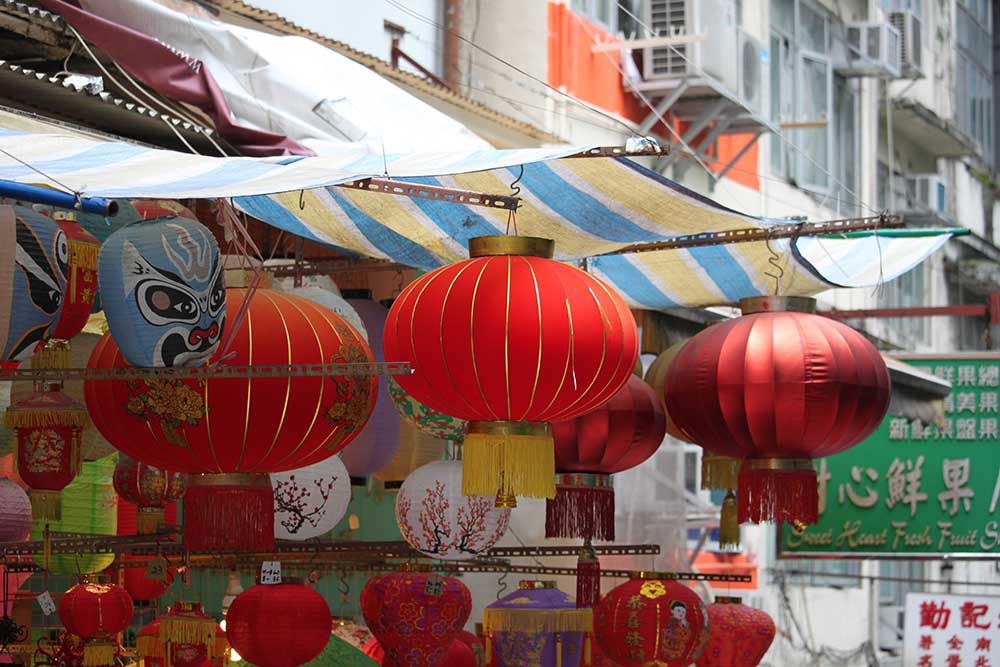
Lanterns for sale on a Hong Kong street make a colourful scene.
Know before you go
- Autumn (October to early December) is arguably the best time to visit, with low humidity, little rainfall and temperatures between 19°C and 28°C. Winter is cool and dry, while spring brings pleasant temperatures before the hot, humid summer arrives with frequent monsoonal rain.
- Purchase an Octopus Card—or download the app into your digital wallet—for seamless travel on trains, buses, ferries and trams. It can also be used in supermarkets and convenience stores.
- Not all taxis accept credit cards, carrying cash is still advisable. Many taxi drivers speak limited English, so having your destination written in Chinese or using Google Translate can save confusion.
- Tipping isn't generally expected, as many restaurants include a 10 per cent service charge. However, small tips are appreciated by hotel porters, housekeeping staff and spa therapists.
Hong Kong: Frequently asked questions
Do I need a visa to visit Hong Kong?
For Australian passport holders, you can generally visit Hong Kong visa-free for short tourist visits. The permitted stay period and entry requirements can change, so you should verify the latest requirements with the Hong Kong Immigration Department or Smartraveller before travel.
You'll typically need:
- A valid passport
- Proof of onward or return travel
- Evidence of sufficient funds for your stay.
Is Hong Kong safe for tourists?
Yes. Hong Kong is generally considered a safe destination for tourists. Violent crime against visitors is rare, and the city has an efficient public transport system, good infrastructure, and a strong police presence.
Is Hong Kong expensive to visit?
Yes, Hong Kong can be expensive, but it doesn't have to be. Hotels are usually the biggest expense. Rooms tend to be smaller than Australians expect, especially in popular areas such as Central and Tsim Sha Tsui. However, food can be surprisingly affordable, public transport is excellent and relatively cheap, and many top attractions are free or inexpensive.
Do people speak English?
English is widely spoken in Hong Kong, especially in:
- Hotels
- Tourist attractions
- Airports
- Major shopping centres
- Restaurants that cater to tourists
- Public transport systems.
Is Hong Kong family-friendly?
Hong Kong is very family-friendly and is a popular destination for families with children. It combines theme parks, outdoor activities, beaches, museums, and efficient public transport, making it easy to get around with kids.
Final word on Hong Kong
It's easy to see why Hong Kong continues to captivate visitors.
One moment you're riding a historic tram, the next you're exploring cutting-edge galleries, sampling Cantonese favourites or watching ferries glide across Victoria Harbour beneath a forest of skyscrapers.
If Hong Kong is on your travel wish list, visit RACQ Travel for expert advice, exclusive member benefits and assistance planning a seamless journey to one of Asia's most exciting destinations.
Related topics
Things to note
The information in this article has been prepared for general information purposes only and is not intended as legal advice or specific advice to any particular person. Any advice contained in the document is general advice, not intended as legal advice or professional advice and does not take into account any person’s particular circumstances. Before acting on anything based on this advice you should consider its appropriateness to you, having regard to your objectives and needs.
Insurance Products (excluding Travel Insurance) are issued by RACQ Insurance Limited ABN 50 009 704 152 (RACQI) and arranged by RACQ Distribution Services Pty Ltd (RDS) ABN 35 116 361 650, AFSL 567130 and RDS' authorised representatives (including RACQ Operations Pty Ltd ABN 80 009 663 414, AR No. 234978 (RACQO)). Conditions, limits and exclusions apply.
Any advice provided by RDS and RACQO is general advice only and does not take into account your personal objectives, financial situation or needs and you will need to consider whether the advice is appropriate for you. Read the Product Disclosure Statement (PDS) before making a purchase decision on the product. You can also access our Target Market Determinations on this website.
RDS receives a commission from RACQI for the policies it arranges. RACQO receives fees paid for services it provides to RDS. Further details about remuneration are available on request prior to purchasing.
Banking and loan products issued by Members Banking Group Limited ABN 83 087 651 054 AFSL/Australian credit licence 241195 trading as RACQ Bank. Terms, conditions, fees, charges and lending policies apply. This is general advice only and may not be right for you. This information does not take your personal objectives, circumstances or needs into account. Read the disclosure documents for your selected product or service, including the Financial Services Guide and the Terms and Conditions, and consider if appropriate for you before deciding.
Except for RACQ Bank, any RACQ entity referred to on this page is not an authorised deposit-taking institution for the purposes of the Banking Act 1959 (Cth). That entity’s obligations do not represent deposits or other liabilities of RACQ Bank. RACQ Bank does not guarantee or otherwise provide assurance in respect of the obligations of that entity, unless noted otherwise.
RACQ Bank subscribes to the Customer Owned Banking Code of Practice which establishes higher standards than the law requires. The Code reflects modern consumer expectations and developments in approaches to issues such as consumer vulnerability, guarantors, and supporting customers through financial hardship. Please read our Customer Owned Banking Code of Practice page for more information.
RACQ Operations Pty Ltd (ABN 80 009 663 414, AR No. 234978) and Members Travel Group Pty Ltd (ABN 45 144 538 803, AR No.432492) (RACQ) are authorised representatives of the RACQ Travel Insurance insurer Tokio Marine & Nichido Fire Insurance Co., Ltd. (ABN 80 000 438 291 AFSL 246 548) (Tokio Marine). Tokio Marine Management (Australasia) Pty Ltd (ABN 69 001 488 455, AR No. 1313066) is an authorised representative of Tokio Marine, and administers RACQ Travel Insurance as the managing agent on behalf of Tokio Marine. Terms, conditions (including eligibility criteria), exclusions, limits and sub-limits apply. Any advice is general advice only, and does not take into account your specific objectives, financial situation or needs. Before you purchase, please consider the Combined Product Disclosure Statement (PDS) / Financial Services Guide (FSG) and Target Market Determinations (TMDs) available at racq.com or on request from RACQ.