

Hidden gems in Singapore: 5 underrated attractions beyond the tourist trail
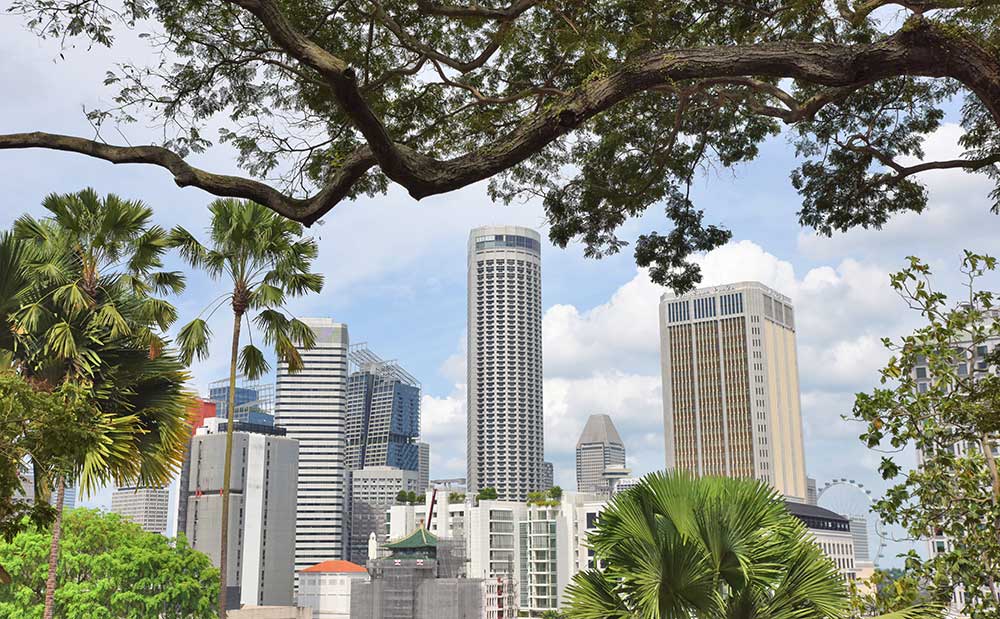
Most visitors to Singapore tick off the big names: Gardens by the Bay, Marina Bay Sands, Sentosa and Chinatown.
But beyond these headline attractions lies a quieter side of the city-state filled with lush parks, fascinating museums, historic neighbourhoods and stories even many locals don't know.
You can wander through a hilltop park linked to Singapore's earliest rulers, discover a unique culture found nowhere else in the world, explore an award-winning orchid collection, uncover surprising pirate connections on a tranquil beach, or spend an afternoon eating your way through one of Singapore's most historic neighbourhoods.
If you're looking for unusual things to do in Singapore, these five underrated attractions deserve a place on your itinerary.
1 Fort Canning Park: Wander in the ‘wilderness’
Singapore’s skyscrapers are only 2km away, yet Fort Canning Park has such dense vegetation and tree canopies that, at times, can feel like you’re wandering in wilderness.
While Singapore is renowned for modern architecture, it’s also aiming to become the world’s greenest city, and so is laden with attractive parks.
Similar in size to Brisbane’s City Botanic Gardens, Fort Canning Park occupies an elevated site in downtown Singapore, alongside tourist favourites like the National Museum of Singapore and Clarke Quay.
It is a fine place to escape the tropical heat due to its many shady lawns.
Visitors can also savour its meticulous gardens, 19th-century British fort, heritage museum, World War II bunker, and walking trails that pierce its serene expanse.
Look out for its time-worn wooden pavilion. The shrine is considered to be the resting place of Islamic Sultan Iskandar Shah, who ruled Singapore 600 years ago.
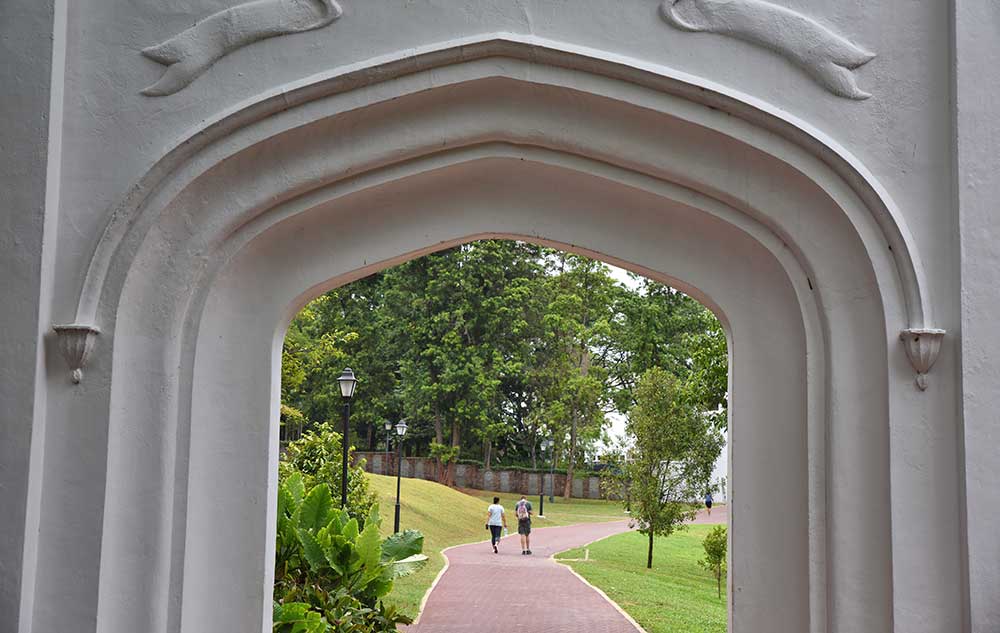
Picturesque parkland at Fort Canning.
2 Peranakan Museum: Explore Singapore's unique heritage
Tourists flood Singapore’s vibrant Chinatown and Little India neighbourhoods, while overlooking a fascinating museum that explains this city’s most unique community.
Peranakan people have distinctive fashion, architecture, food and rituals that blend cultural elements from China, Malaysia, Indonesia, Thailand, the Netherlands and Portugal.
Many Australians will be familiar with their most famous dish, laksa, an addictive curry noodle soup.
But they’re unlikely to know the intriguing history of the Peranakans, which is summarised at this neat museum, via photos, videos, artefacts, and maps.
Peranakan culture evolved over centuries as Chinese settlers in South-East Asia intermarried with local communities, before flocking to Singapore after it was settled by the British in 1819.
Dressed in intricately-embroidered gowns and beaded shoes, they became renowned for their lavish weddings.
Nowadays, Singapore still has thousands of Peranakans but few have retained their historic customs, which makes this museum even more of an interesting stop for tourists.
3 National Orchid Garden: A blooming national treasure
In Singapore, one blossom rules them all.
Orchids are not just Singapore’s national flower, but also a key export and one of its national emblems.
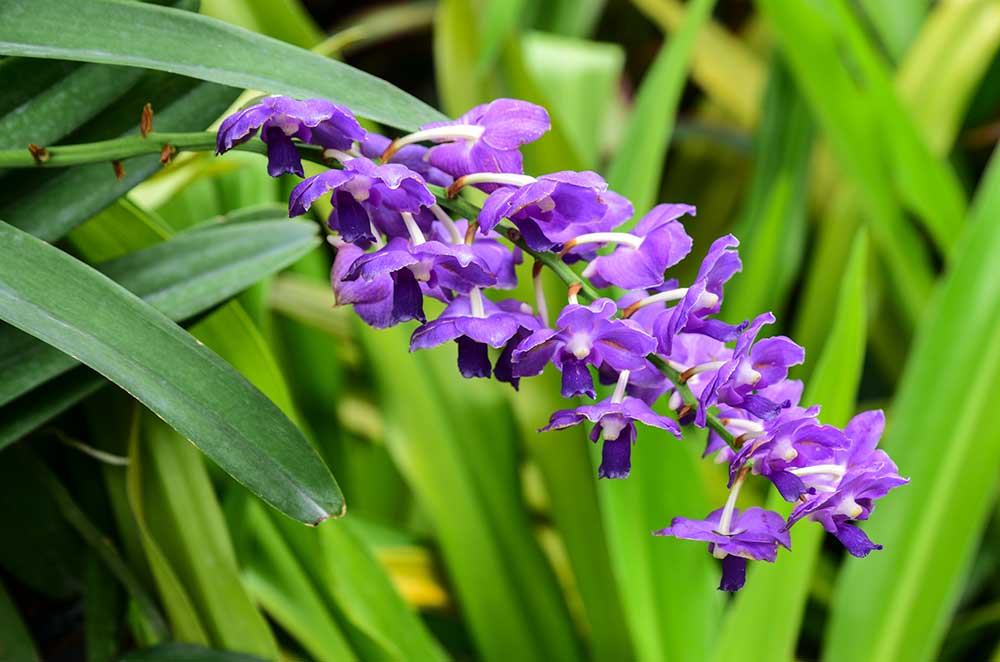
It has dozens of orchid farms as well as its outstanding National Orchid Garden (NOG). More than 60,000 orchids are displayed at the NOG, inside the Singapore Botanic Gardens. Collectively, they are embellished by dozens of colours and boast countless intricate patterns. Amid this photogenic array are dozens of unique orchid hybrids found only in Singapore.
A separate orchid garden, alongside historic Burkill Hill inside the NOG, showcases one-off species specifically created by Singapore as gifts for national leaders like former US President Barack Obama.
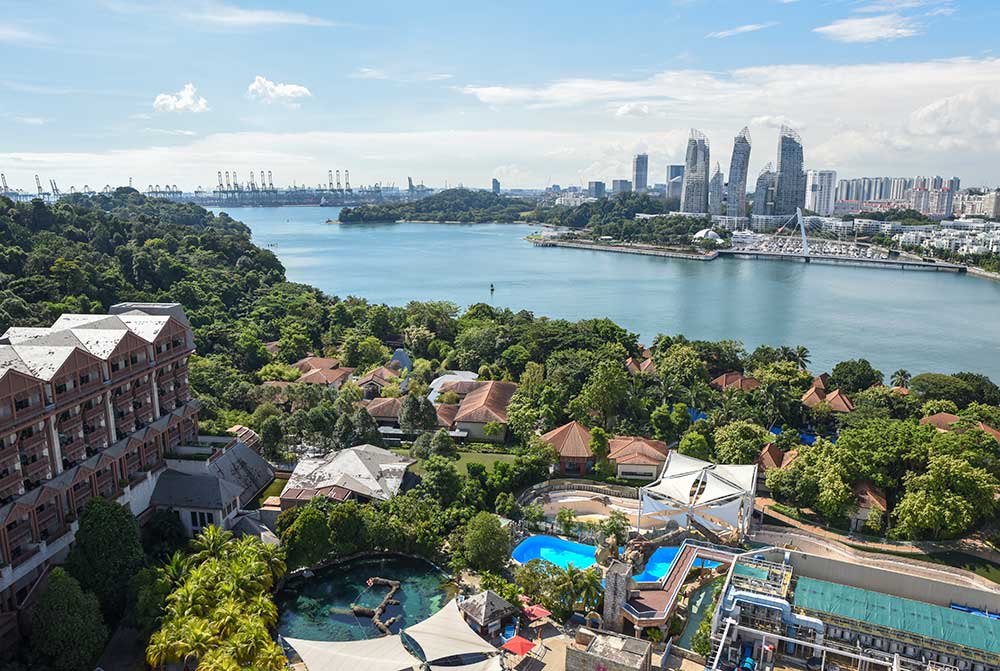
Sentosa was formerly known as Death Island.
4 East Coast Park: Beaches, pirates and maritime legends
Singapore’s largest park stretches for 13km along its south-eastern coastline, from Changi Airport west to downtown.
Few tourists visit East Coast Park, but locals savour its many playgrounds, shady lawns, sporting facilities and beaches, the latter of which offer a glimpse of "Death Island".
That is what Sentosa was called for centuries – before it became an upmarket holiday island – due to hosting many bloody pirate battles from the 1500s onwards.
Despite being a famously safe destination, piracy has played a recurring role in the history of the Singapore Strait for centuries.
The Singapore Strait ocean channel is now one of Asia’s piracy hotspots, with more than 20 incidents in 2025 in which commercial vessels were robbed by armed pirates.
Visitors to East Coast Park’s pretty Bedok Beach, meanwhile, can read signs that explain how this site is forever intertwined with Singapore’s pirate legacy.
It was here, in 1603, that a bold act of piracy by Dutch sailors against a treasure-laden Portuguese ship sparked an international incident and changed maritime law forever. The legal battle that followed helped shape the modern concept of freedom of the seas, a cornerstone of international maritime law.
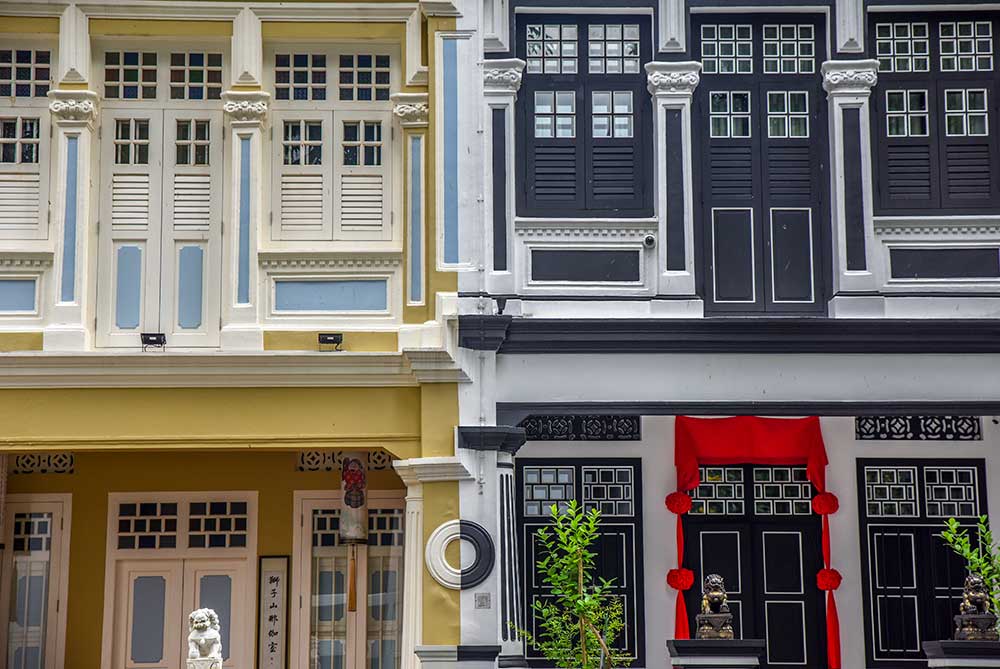
Colourful architecture in Balestier.
5 Balestier: Historic food and culture district
Downtown Singapore is so rich with attractions that many tourists never venture into its quieter suburbs, like the charming, historic neighbourhood of Balestier.
Located 3km north of the city’s main tourist district, it rewards inquisitive visitors with its serene parks, unique markets, array of temples, and photogenic, old-world appearance. Rainbow-hued shophouses embellish its main thoroughfare, Balestier Road.
the area’s fascinating history, meanwhile, is revealed to tourists who follow its marked walking trail, designed by the Singapore National Heritage Board.
Balestier developed around a sugar plantation established by American entrepreneur Joseph Balestier in the 1830s.
Visitors appreciate Balestier’s array of temples – Maha Sasanaramsi, Lian Sin Sia, Goh Chor Tua Pek Kong, and Thong Teck Sian Tong – as well as the peace and shade of Zhongshan Park, and the myriad treats of Balestier Market.
The latter covered facility has more than a dozen small restaurants serving Singaporean favourites like Hainan chicken rice, char kway teow noodles, and laksa curry noodle soup
Singapore's star attractions
After exploring Singapore's quieter corners, travellers can balance their itinerary with some of the city-state's best-known sights.
- Gardens by the Bay: Vast, beautiful and high-tech, this 101ha botanic facility is decorated by three sublime gardens, two huge conservatories, and 18 "Supertrees", which are metallic, glowing towers covered in thousands of plants.
- Sentosa: Arguably the best family destination in South-East Asia, Sentosa Island is laden with theme parks, beach resorts, jungle adventures, water parks, golf courses, luxury spas, and a massive aquarium.
- Chinatown: Singapore’s historic heart beats in Chinatown, a buzzing area defined by street markets, atmospheric temples, cheap Hawker food centres, and unique museums.
- Marina Bay Sands: Looming above Gardens by the Bay is this iconic skyscraper, which hosts a hotel, shopping centre, and a famous, 150m-long rooftop infinity pool offering splendid views of Singapore’s modern skyline.
STORY AND PHOTOS BY RONAN O'CONNELL
Frequently asked questions about Singapore
What is the best time to visit Singapore?
Singapore is a year-round destination thanks to its tropical climate. Temperatures typically range from 25°C to 32°C throughout the year. February to April is often considered one of the most pleasant periods, with slightly drier weather and plenty of outdoor events.
How many days do you need in Singapore?
Most travellers should allow at least three to five days to explore Singapore's major attractions, including Marina Bay Sands, Gardens by the Bay, Sentosa and Chinatown. A longer stay of five to seven days allows time to discover lesser-known neighbourhoods, museums and parks.
Is Singapore a good destination for families?
Yes. Singapore is one of Asia's most family-friendly destinations, with attractions such as Sentosa, Universal Studios Singapore, Gardens by the Bay, the Singapore Zoo, Night Safari and numerous parks, playgrounds and museums.
What are some underrated attractions in Singapore?
Some of Singapore's most underrated attractions include Fort Canning Park, the Peranakan Museum, the National Orchid Garden, East Coast Park and the heritage neighbourhood of Balestier. These attractions offer a quieter alternative to the city's most famous sights.
Is Singapore expensive for Australian travellers?
Singapore can be more expensive than some Southeast Asian destinations, particularly for accommodation. However, visitors can still enjoy affordable experiences, especially when dining at hawker centres, using public transport and exploring Singapore's many parks, museums and cultural precincts.
What is Singapore famous for?
Singapore is known for its futuristic skyline, Marina Bay Sands, Gardens by the Bay, Sentosa Island, multicultural food scene, efficient public transport and reputation as one of the cleanest and safest cities in the world.
What food should you try in Singapore?
Popular Singaporean dishes include Hainanese chicken rice, laksa, chilli crab, char kway teow, satay and kaya toast. Hawker centres such as Maxwell Food Centre, Lau Pa Sat and Old Airport Road Food Centre are among the best places to sample local favourites.
Is Singapore easy to get around without a car?
Yes. Singapore has one of the world's best public transport systems. The MRT (Mass Rapid Transit) network connects most major attractions, while buses and ride-share services make it easy to reach neighbourhoods and attractions across the city-state.
What should I do in Singapore beyond Marina Bay Sands and Sentosa?
Travellers looking to explore beyond Singapore's headline attractions should consider Fort Canning Park, the Peranakan Museum, East Coast Park, Balestier, the National Orchid Garden, Tiong Bahru, Joo Chiat and the Southern Ridges walking trail.
Is Singapore worth visiting more than once?
Absolutely. Many visitors return to explore different sides of Singapore, from heritage precincts and food trails to nature reserves, offshore islands, museums and seasonal festivals. The city's constantly evolving food, arts and attractions scene means there is usually something new to experience.

Related topics
Things to note
The information in this article has been prepared for general information purposes only and is not intended as legal advice or specific advice to any particular person. Any advice contained in the document is general advice, not intended as legal advice or professional advice and does not take into account any person’s particular circumstances. Before acting on anything based on this advice you should consider its appropriateness to you, having regard to your objectives and needs.
Insurance Products (excluding Travel Insurance) are issued by RACQ Insurance Limited ABN 50 009 704 152 (RACQI) and arranged by RACQ Distribution Services Pty Ltd (RDS) ABN 35 116 361 650, AFSL 567130 and RDS' authorised representatives (including RACQ Operations Pty Ltd ABN 80 009 663 414, AR No. 234978 (RACQO)). Conditions, limits and exclusions apply.
Any advice provided by RDS and RACQO is general advice only and does not take into account your personal objectives, financial situation or needs and you will need to consider whether the advice is appropriate for you. Read the Product Disclosure Statement (PDS) before making a purchase decision on the product. You can also access our Target Market Determinations on this website.
RDS receives a commission from RACQI for the policies it arranges. RACQO receives fees paid for services it provides to RDS. Further details about remuneration are available on request prior to purchasing.
RACQ Operations Pty Ltd (ABN 80 009 663 414, AR No. 234978) and Members Travel Group Pty Ltd (ABN 45 144 538 803, AR No.432492) (RACQ) are authorised representatives of the RACQ Travel Insurance insurer Tokio Marine & Nichido Fire Insurance Co., Ltd. (ABN 80 000 438 291 AFSL 246 548) (Tokio Marine). Tokio Marine Management (Australasia) Pty Ltd (ABN 69 001 488 455, AR No. 1313066) is an authorised representative of Tokio Marine, and administers RACQ Travel Insurance as the managing agent on behalf of Tokio Marine. Terms, conditions (including eligibility criteria), exclusions, limits and sub-limits apply. Any advice is general advice only, and does not take into account your specific objectives, financial situation or needs. Before you purchase, please consider the Combined Product Disclosure Statement (PDS) / Financial Services Guide (FSG) and Target Market Determinations (TMDs) available at racq.com or on request from RACQ.