
10 of the most interesting car models headed our way in 2026
Discover 10 of the most anticipated new cars coming to Australia in 2026.
2025 was one of the busiest years on record for both new model and new brand launches, and the new year looks set to bring even more variety.
Here’s our round up of the top 10 most interesting models to keep an eye out for in 2026.
BYD Atto 1
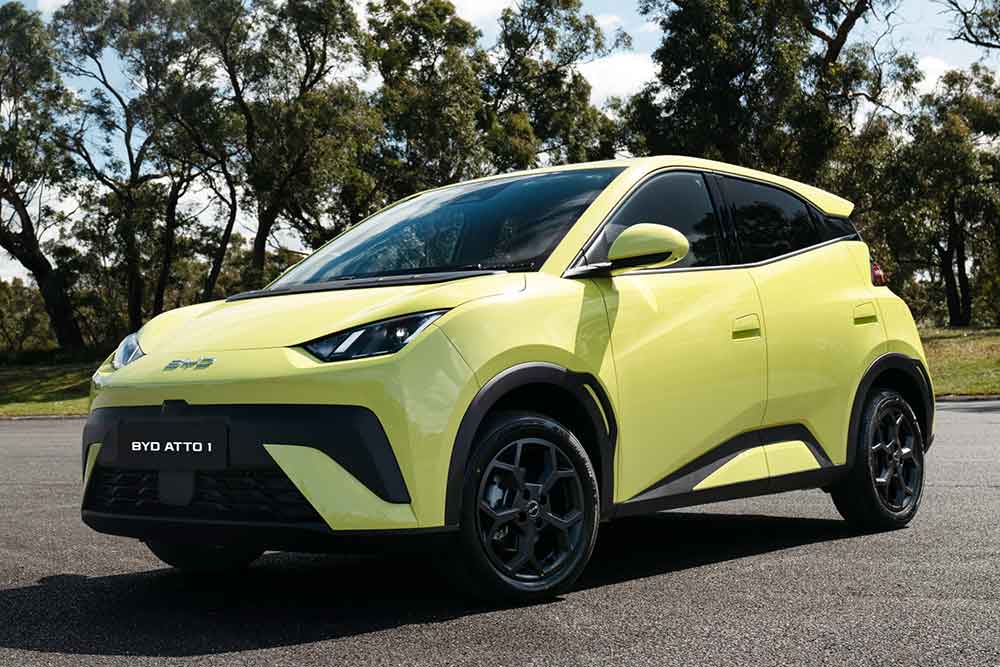
BYD’s smallest and least expensive electric car is technically a late 2025 model but won’t start arriving in significant volume until early 2026, so earns a place on our list.
The compact hatchback is priced from just $23,990 plus on-road costs, making it Australia’s cheapest EV, undercutting small ICE-powered models like the Suzuki Swift, Mazda 2, and Toyota Yaris.
The single-motor front-wheel drive hatch comes in two variants with different power outputs and two different size batteries.
The entry-level Essential delivers 65kW/175Nm and features a 30kWh battery with up to 220km of range, while the Premium ($27,990) steps up to 115kW/220Nm and gets a 43.2kWh battery offering up to 310km (WLTP).
Geely EX2
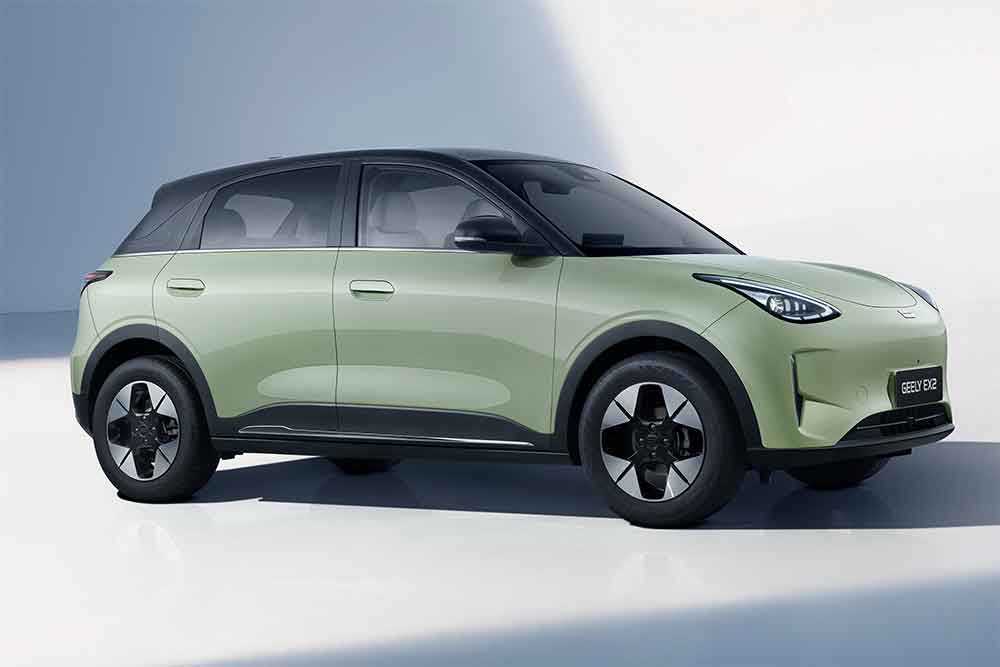
Having established its brand in Australia in 2025 with the launch of the EX5 fully electric and Starray EM-i plug-in hybrid (PHEV) medium SUVs, Chinese car maker Geely will step up its presence in the second half of 2026 with the launch of the EX2 small car.
Built on the same platform as the above-mentioned stablemates but positioned as a compact city car, the EX2 arrives following a breakout year in its home market where it racked up over 400,000 sales to become China’s best-selling EV.
Targeting younger buyers as a first car and boasting an impressively roomy interior and generous boot space, the EX2 is sold in China with a choice of 30kWh and 40kWh batteries with rear-wheel drive motor outputs of 58kW/130Nm and 85kW/150Nm respectively.
Geely hasn’t yet confirmed pricing or model lineup but expect the newcomer to challenge BYD’s Atto 1 for the title of Australia’s cheapest EV.

Honda Super One
Honda Australia surprised industry watchers in late October by confirming it would add the Super-One micro-EV to its local lineup in the second half of 2026.
One of the stars of the 2025 Japan Mobility Show, the nuggety battery-electric hatch is designed to compete in Japan’s Kei car category, populated by small, highway-legal vehicles with strict regulations on their size, engine capacity, and power output.
With its distinctive styling and standard Boost Mode which sharpens power output and synchronises the simulated seven-speed transmission and Active Sound Control system to generate fake engine sound and gearshift feel, the Super-One has all the makings of a new cult classic.
It will also add a much-needed fully electric variant to Honda’s local range, which is currently dominated by larger internal-combustion and hybrid-electric powered models.
Hyundai Palisade XRT Pro
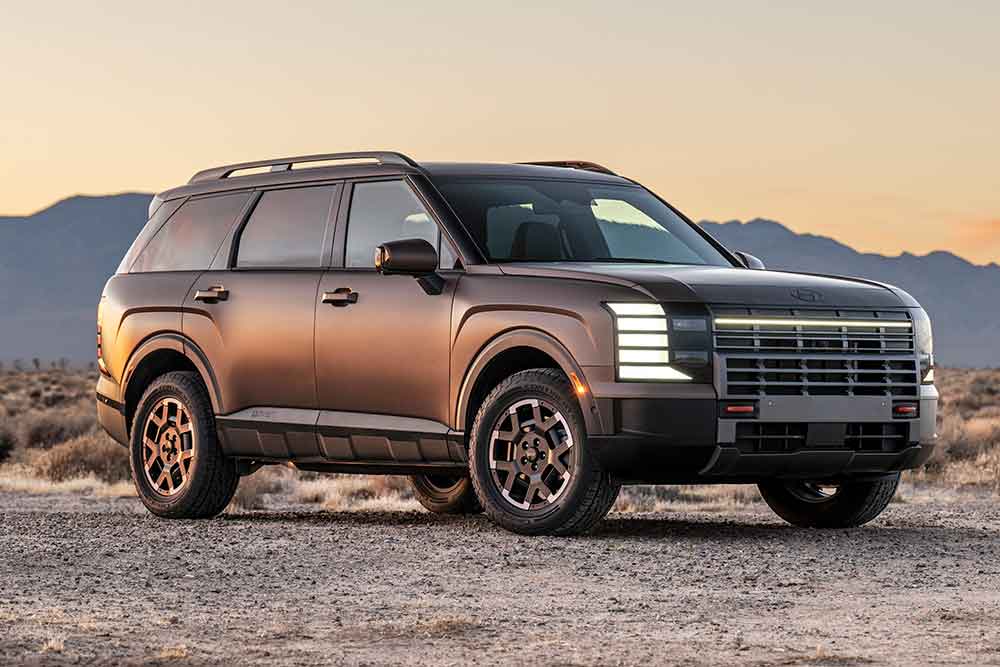
Hyundai will expand the appeal of its current single-variant Palisade large SUV by adding a more muscular-looking, off-road-focused version the XRT Pro in the first half of 2026.
Featuring a rugged design with enhanced ground clearance, chunky all-terrain tyres, new front and rear bumpers, and specific off-road enhancements including an electronic rear limited-slip differential, the XRT Pro also boasts improved approach, departure, and breakover angles, plus multiple terrain modes for mud, sand, and snow.
The powertrain is not yet confirmed with Hyundai considering either the 245kW/460Nm 2.5-litre turbocharged four-cylinder hybrid that powers the current Palisade Calligraphy, or adopting the US-market 3.5-litre V6 (214kW/353Nm) hitched to an eight-speed auto.
Kia EV4
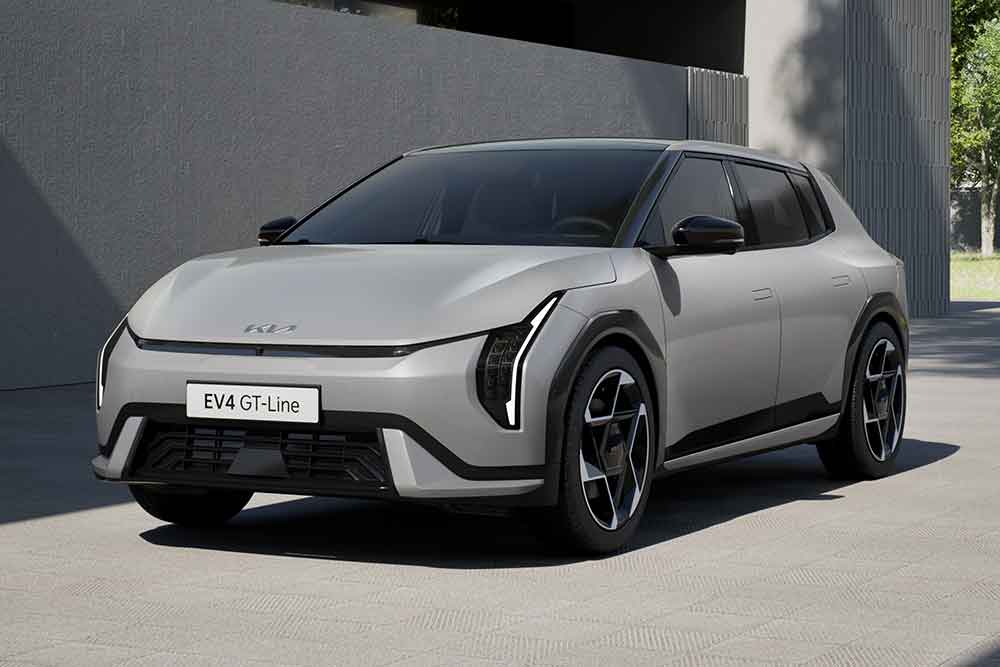
If you’re wondering when Kia will get around to plugging the gap between its EV3 small SUV and EV5 medium SUV, then wonder no more as the Kia EV4 is primed for an early 2026 on-sale.
Expected to launch initially with a sedan body style and later with a hatch, the EV4 will be positioned as a direct competitor for Tesla’s Model 3 sedan.
That should mean pricing for the entry-level variant around the $50k mark.
Powertrain options are likely to start with a single-motor, front-wheel-drive setup (around 150kW/283Nm) and an 81.4kWh battery, targeting a range of around 600km (WLTP).
A more high-performance dual-motor GT variant has also been mooted, with outputs of more than 300kW.
KGM Musso EV
While 2025 will be remembered as the year plug-in hybrid (PHEV) technology came to the ute segment, 2026 is already looking like the year of the full battery electric ute.
Several players are lining up to deliver their first electric utes in 2026 including the artist formerly known as SsangYong, KGM Australia.
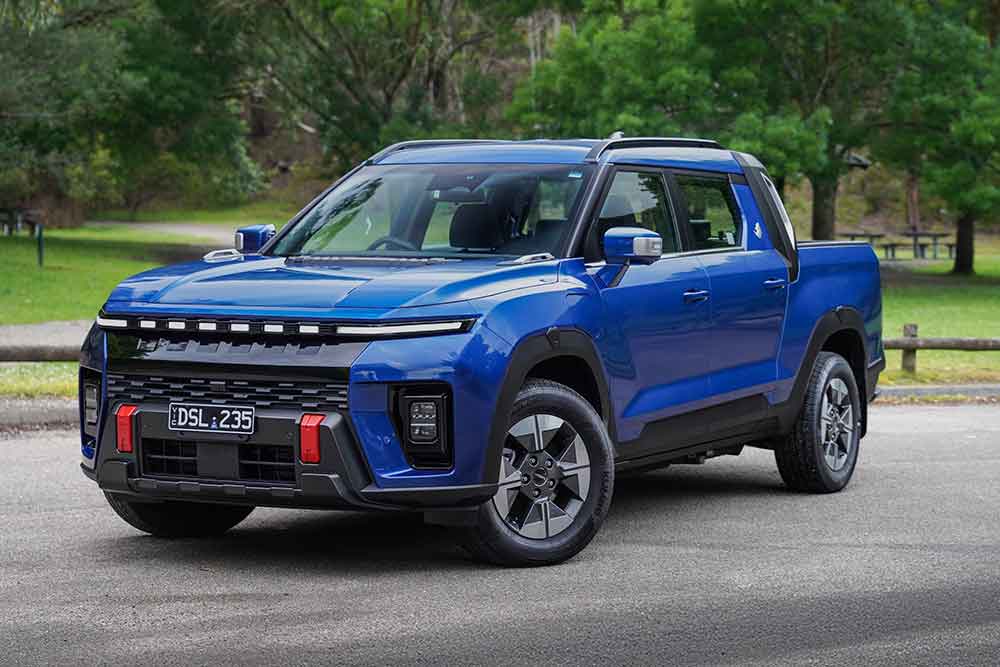
Technically a late 2025 arrival, the Musso EV is a fully electric dual-cab ute that comes in 4x2 and 4x4 guises and with pricing starting from $60,000 driveaway.
All variants feature a BYD-sourced 80.6 kWh LFP (lithium iron phosphate) battery, with the 2WD model featuring a 152kW/339Nm front motor and the AWD variant adding a 152kW/339Nm rear motor, for combined system outputs of 266kW/630Nm.
Driving range for the 4x2 variant is 420km per charge, with the AWD variant offering a slightly lower 380km.
The model lineup at launch includes the Musso EV 2WD, Musso EV 4WD, and the highly specified Musso EV 2WD Black Edge, with driveaway pricing pegged at $60,000, $62,000, and $64,000, respectively.
Mazda 6e
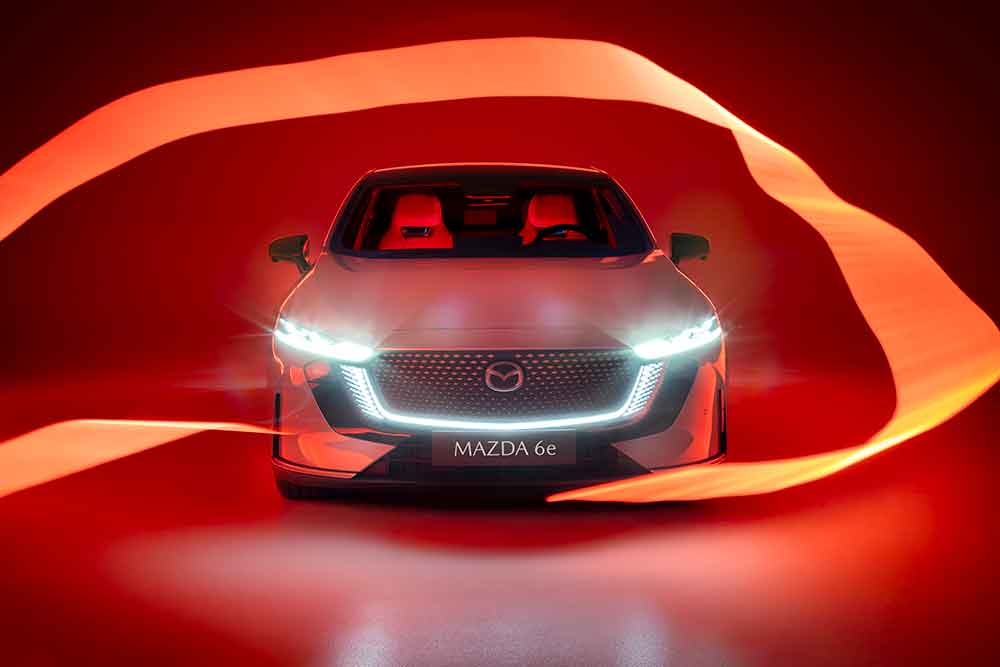
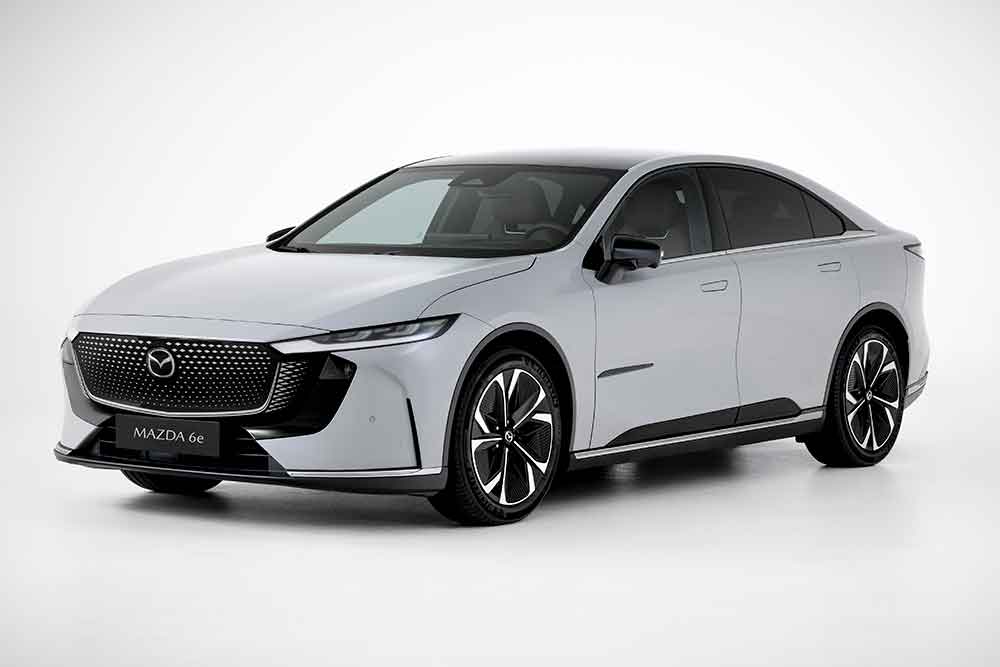
Mazda may have delivered an uncharacteristic own-goal with its first battery electric model, the underwhelming MX-30, but it’s unlikely to make the same mistake with its second model, the Tesla Model 3 fighting Mazda 6e electric sedan.
The new model carries the familiar nameplate of the long-established Mazda 6 medium-sedan and wagon but unlike those ICE-powered predecessors the stylish and contemporary looking five-door lift-back features a feature a single electric motor drawing power from a 78kWh battery and sending a healthy 190kW to the rear wheels.
Promising a range of ‘more than 500km’ and 30-80% charging in around 15 minutes, Mazda is reportedly targeting sub-$55,000 pricing for its new Chinese-manufactured electric sedan when it goes on sale in mid-2026, which will make it competitive with both the Tesla Model 3 and BYD’s Seal.
Nissan Y63 Patrol
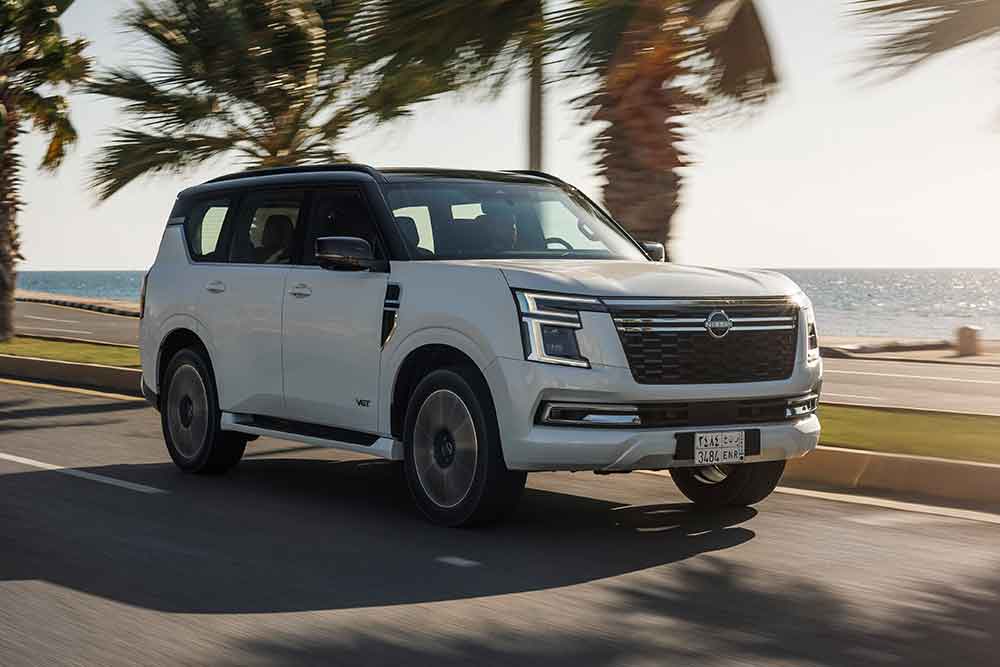
Fans of big burly fuel-burning 4x4s will have plenty of reasons to celebrate late next year when Nissan pulls the wraps off its all-new seventh-generation Patrol.
Already on sale in the Middle East and elsewhere the Patrol sticks to its well-established guns by providing the sort of unmissable road presence that will have LandCruiser 300 Series owners nervously checking their rearview mirrors.
Under the expansive bonnet is the most powerful engine ever fitted to the nameplate – a twin turbocharged 3.5-litre petrol V6 derived from the Nissan GT-R sports car that punches out a mighty 317kW/700Nm.
As well as being more powerful and (yes) fuel efficient than the current V8-powered model, the new Patrol is also claimed to be quieter, smoother and altogether more luxurious, with adaptive air suspension and new e-damper technology to help harness the drivetrain’s power.
The slick new hi-tech interior features acres of plush leather and other luxuries on top grade variants, but under the skin the Patrol remains a hardcore off-roader capable of tackling the most challenging terrain.
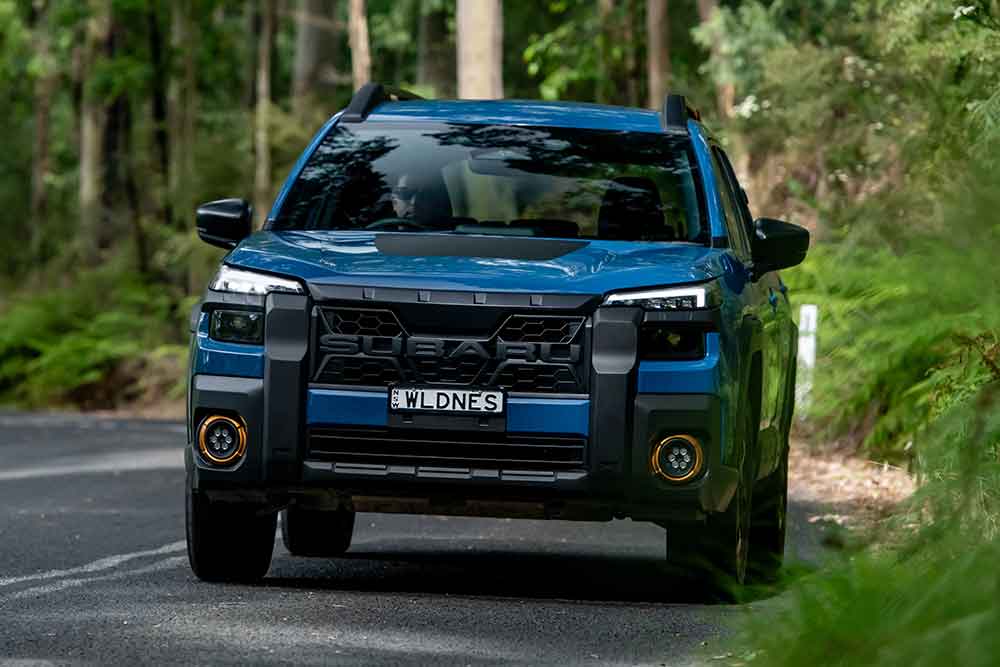
Subaru Outback
Announced in late 2025 but not expected to make landfall until early 2026, the all-new seventh-generation Subaru Outback wagon heads further down the off-road path, with a taller, tougher and more purposeful appearance and a rugged new Wilderness variant.
Subaru’s versatile all-wheel drive wagon remains a favourite with adventurous Aussies, with this upgrade heading the nameplate in more of a purpose-built SUV direction.
The new Outback features a redesigned SUV profile and major interior upgrades but retains Subaru’s trademark ‘boxer’ engines and symmetrical all-wheel drive underpinnings.
Wilderness variants are powered exclusively by Subaru’s 2.4-litre turbocharged four-cylinder ‘boxer’ engine, producing a more robust 194kW/382Nm and driving all-four wheels via a Lineartronic CVT with eight-speed manual mode.
Other notable technical upgrades to the Wilderness include the fitment of electronically controlled dampers which are linked with the X-Mode traction control system to provide greater control over vehicle ride and handling in different conditions.
Prices are up across the board, with the entry level Outback AWD now costing $48,990 (MRLP), and the range-topping Outback Wilderness Apex costing $62,690 (MRLP).
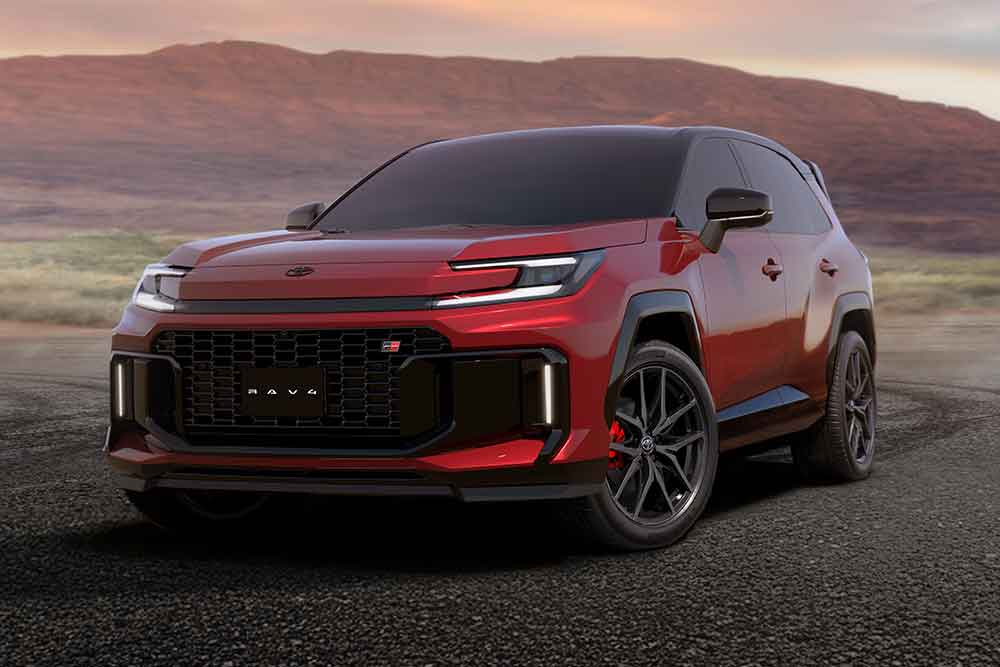
Toyota RAV4
Toyota’s sixth-generation RAV4 medium SUV arrives in the second quarter of 2026 featuring sleek new exterior and interior design treatments, updated safety and multimedia technologies, and more cabin space.
The new RAV4 will also be the first Toyota sold locally to offer a plug-in hybrid electric (PHEV) powertrain. Underpinning the new plug-in hybrid system is a 2.5-litre four-cylinder petrol engine combined with a 22.7kWh lithium-ion battery that provides a targeted electric-only driving range of up to 100km (WLTP).
An improved front electric motor develops 150kW, which on AWD grades provides combined system output of 227kW, helping the SUV cover the 0-100km/h dash in a brisk 5.8 seconds.
A more affordable 2WD PHEV system will also be offered, achieving a total system output of 201kW.
Along with PHEV options, the RAV4 will also be available with Toyota’s established series-parallel hybrid system, with both AWD and 2WD versions boasting outputs of 143kW.
This will also be the first RAV4 to feature a GR Sport variant, boasting unique styling elements, lightweight 20-inch twin-spoke black alloy wheels, aerodynamically enhanced front and rear spoilers, and a distinctive grille design with GR mesh pattern.
The GR Sport also gains a 20mm wider wheel track, upgraded dampers, stiffer rear suspension brace, retuned suspension and a unique power steering calibration to help ensure it’s the most dynamically focused RAV4 yet.
Hybrid models will be first to arrive mid-year, followed in the third quarter by PHEV variants.


More articles
Related topics
Things to note
The information in this article has been prepared for general information purposes only and is not intended as legal advice or specific advice to any particular person. Any advice contained in the document is general advice, not intended as legal advice or professional advice and does not take into account any person’s particular circumstances. Before acting on anything based on this advice you should consider its appropriateness to you, having regard to your objectives and needs.
Insurance Products (excluding Travel Insurance) are issued by RACQ Insurance Limited ABN 50 009 704 152 (RACQI) and arranged by RACQ Distribution Services Pty Ltd (RDS) ABN 35 116 361 650, AFSL 567130 and RDS' authorised representatives (including RACQ Operations Pty Ltd ABN 80 009 663 414, AR No. 234978 (RACQO)). Conditions, limits and exclusions apply.
Any advice provided by RDS and RACQO is general advice only and does not take into account your personal objectives, financial situation or needs and you will need to consider whether the advice is appropriate for you. Read the Product Disclosure Statement (PDS) before making a purchase decision on the product. You can also access our Target Market Determinations on this website.
RDS receives a commission from RACQI for the policies it arranges. RACQO receives fees paid for services it provides to RDS. Further details about remuneration are available on request prior to purchasing.
Banking and loan products issued by Members Banking Group Limited ABN 83 087 651 054 AFSL/Australian credit licence 241195 trading as RACQ Bank. Terms, conditions, fees, charges and lending policies apply. This is general advice only and may not be right for you. This information does not take your personal objectives, circumstances or needs into account. Read the disclosure documents for your selected product or service, including the Financial Services Guide and the Terms and Conditions, and consider if appropriate for you before deciding.
Except for RACQ Bank, any RACQ entity referred to on this page is not an authorised deposit-taking institution for the purposes of the Banking Act 1959 (Cth). That entity’s obligations do not represent deposits or other liabilities of RACQ Bank. RACQ Bank does not guarantee or otherwise provide assurance in respect of the obligations of that entity, unless noted otherwise.
RACQ Bank subscribes to the Customer Owned Banking Code of Practice which establishes higher standards than the law requires. The Code reflects modern consumer expectations and developments in approaches to issues such as consumer vulnerability, guarantors, and supporting customers through financial hardship. Please read our Customer Owned Banking Code of Practice page for more information.
RACQ Operations Pty Ltd (ABN 80 009 663 414, AR No. 234978) and Members Travel Group Pty Ltd (ABN 45 144 538 803, AR No.432492) (RACQ) are authorised representatives of the RACQ Travel Insurance insurer Tokio Marine & Nichido Fire Insurance Co., Ltd. (ABN 80 000 438 291 AFSL 246 548) (Tokio Marine). Tokio Marine Management (Australasia) Pty Ltd (ABN 69 001 488 455, AR No. 1313066) is an authorised representative of Tokio Marine, and administers RACQ Travel Insurance as the managing agent on behalf of Tokio Marine. Terms, conditions (including eligibility criteria), exclusions, limits and sub-limits apply. Any advice is general advice only, and does not take into account your specific objectives, financial situation or needs. Before you purchase, please consider the Combined Product Disclosure Statement (PDS) / Financial Services Guide (FSG) and Target Market Determinations (TMDs) available at racq.com or on request from RACQ.