
Five best places to visit in Japan
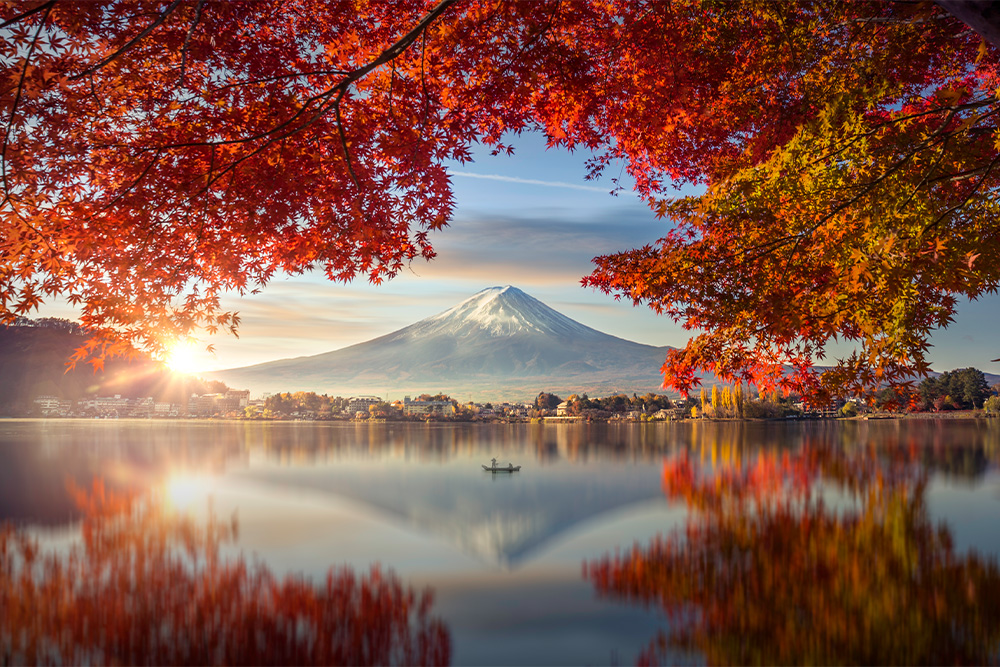
Japan’s top destinations and hidden gems you can’t miss
From dazzling cityscapes to peaceful temples, snowy mountains to subtropical beaches, Japan is a traveller's dream packed into a string of islands. Whether you're a first-time visitor or returning to explore further, there’s an unforgettable mix of tradition and innovation waiting around every corner. Get ready to discover must-see sights in Japan, from world-famous cities to lesser-known treasures.
1. Tokyo: A unique blend of tradition and modernity
Tokyo is Japan’s fast-paced capital and a city like no other. Skyscrapers and neon lights coexist with tranquil shrines and centuries-old gardens. Usually, the first port of entry for many first-timers to Japan, it’s a must-see city in Japan for anyone wanting to experience the full range of Japanese culture, old and new.

What to see and do in Tokyo
1. Shibuya Crossing
Step into the organised chaos of Shibuya Crossing, the world’s busiest pedestrian intersection. As the lights turn red in all directions, hundreds of people surge across the intersection from every corner. It’s a breathtaking symbol of Tokyo’s energy and efficiency. Nearby, you’ll find the famous Hachiko Statue, a tribute to the loyal dog whose story has touched hearts around the world.
2. Senso-ji Temple in Asakusa
Immerse yourself in centuries of tradition at Senso-ji, Tokyo’s oldest temple, located in the historic district of Asakusa. Begin your visit at the iconic Kaminarimon Gate, then stroll down Nakamise Street, a bustling stretch of traditional shops and street food stalls selling souvenirs, kimonos and freshly made sweets. The temple itself is a spiritual haven, attracting both worshippers and curious travellers.
3. Meiji Shrine
Tucked away in a forested oasis near Harajuku, the Meiji Shrine offers a serene break from Tokyo’s urban buzz. Dedicated to Emperor Meiji and Empress Shoken, this Shinto shrine is surrounded by over 100,000 trees donated from across Japan. Walk under towering torii gates and along tranquil gravel paths — you may even witness a traditional wedding procession on weekends.H4: 4. Tsukiji Outer Market
While the inner wholesale fish market has moved to Toyosu, the Tsukiji Outer Market remains a must-visit for food lovers. Wander through a maze of small vendors and eateries offering everything from fresh sushi and grilled seafood skewers to tamagoyaki (Japanese omelette) and matcha-flavoured treats. It’s an ideal spot for breakfast or a snack-filled stroll.H4: 5. TeamLab Planets or Ghibli Museum
Choose your adventure: TeamLab Planets in Toyosu is a multi-sensory digital art experience where you wade through water, walk barefoot across mirrored surfaces, and become part of breathtaking immersive installations. Alternatively, head to Ghibli Museum in Mitaka for a whimsical journey through the world of Studio Ghibli. The museum showcases sketches, storyboards, and exclusive short films, making it a dream destination for fans of Hayao Miyazaki’s beloved animations like My Neighbor Totoro and Spirited Away. Advance reservations are required.
Our travel tip when visiting Tokyo
Get a prepaid IC transport card – Rechargeable cards like Suica or Pasmo are a convenient way to travel on Tokyo’s public transport network. They can be used on trains, buses, subways, and even at selected vending machines and convenience stores.
If you’re only visiting only one city or region, and not travelling long-distance, an IC card is often a sufficient option compared to the Japan Rail Pass. These cards are interchangeable across most major cities in Japan, making travel simple and flexible.
2. Kyoto: Rich history and culture
Japan’s former imperial capital is bursting with history, spiritual sites and timeless beauty. It’s one of the must-see places in Japan for lovers of tradition and elegance.
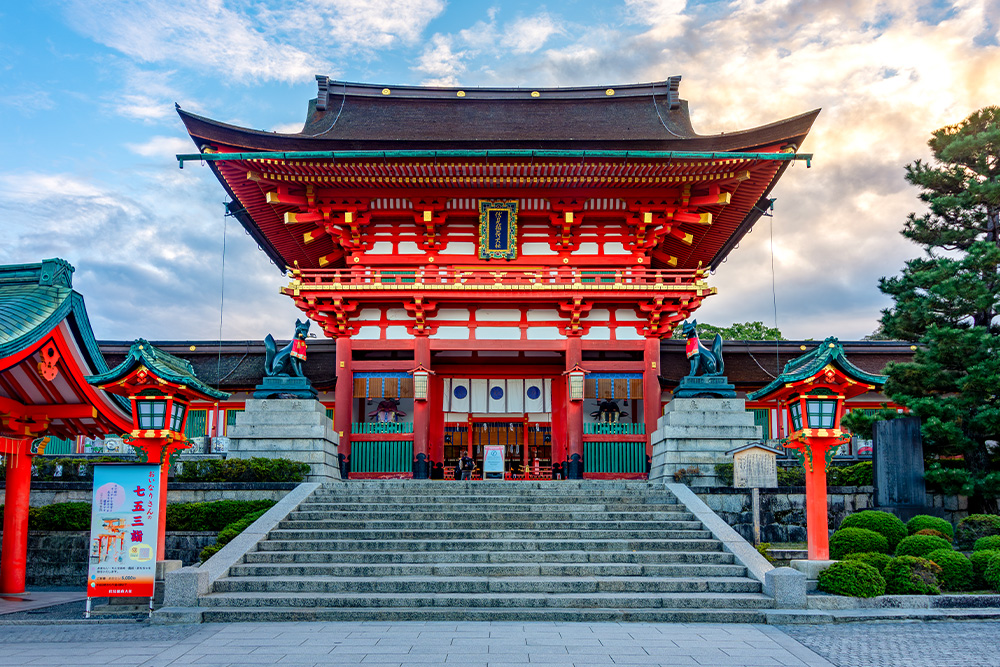
What to see and do in Kyoto
1. Fushimi Inari Shrine
One of Kyoto’s most iconic sights, Fushimi Inari Taisha is famous for its seemingly endless tunnels of vibrant red torii gates that wind up Mount Inari. This sacred Shinto site is dedicated to Inari, the god of rice and prosperity, and is watched over by thousands of fox statues that are said to be the deity’s messengers. Explore the lower shrine area or hike to the summit for sweeping views for an experience that is both spiritual and cinematic.2. Kinkaku-ji (Golden Pavilion)
Glimmering beside a reflective pond stands the Zen temple Kinkaku-ji, or the Golden Pavilion. Its top two stories are entirely covered in gold leaf, creating a stunning contrast with the surrounding gardens and still water. Originally built as a shogun’s retirement villa, the temple is now one of Kyoto’s most photographed landmarks.3. Gion District
Step into old-world Japan in the Gion District, Kyoto’s famous geisha quarter. Wander through narrow, lantern-lit alleyways lined with machiya (wooden townhouses), traditional tea houses, and exclusive dining establishments. In the early evening, keep an eye out for maiko (apprentice geisha) in elegant kimono making their way to evening appointments.4. Arashiyama Bamboo Grove
Strolling through the Arashiyama Bamboo Grove, you’ll encounter Towering green stalks rising high above you, swaying gently in the breeze and filtering sunlight along your path. Located in western Kyoto, this peaceful area offers riverside boat rides, a scenic railway, and access to the tranquil Tenryu-ji Temple, a UNESCO World Heritage Site with beautifully landscaped gardens.5. Castle
Travel back to the age of the samurai at Nijo Castle, a UNESCO World Heritage Site built in the 17th century as the residence of the Tokugawa shoguns. Admire the fortress’s moats, massive gates, and ornately painted sliding doors, then walk the famous “nightingale floors”, which chirp underfoot as a clever security feature to detect intruders. The castle grounds are especially beautiful during cherry blossom season and autumn.
Our travel tip when visiting Kyoto
Be aware of traditions and customs when visiting a Shinto shrine. While visitors are welcome, it's important to respect the sacred nature of these sites by following a few simple customs:Dress modestly and remove your shoes before entering. It’s recommended to wear or bring socks, as entering barefoot is not well regarded.
You can show your respect by bringing a small coin to make an offering by tossing it gently into the offering box and saying a prayer.
If you visit a shrine with an incense burner, you may see people waving the smoke toward themselves for good fortune. When you're finished, gently wave out the incense rather than blowing it, which is seen as impolite.
3. Osaka: Vibrant food scene and nightlife
Osaka is known for its hearty street food, colourful locals, and electric nightlife. This is one of the must-see places in Japan if you love food and friendly vibes.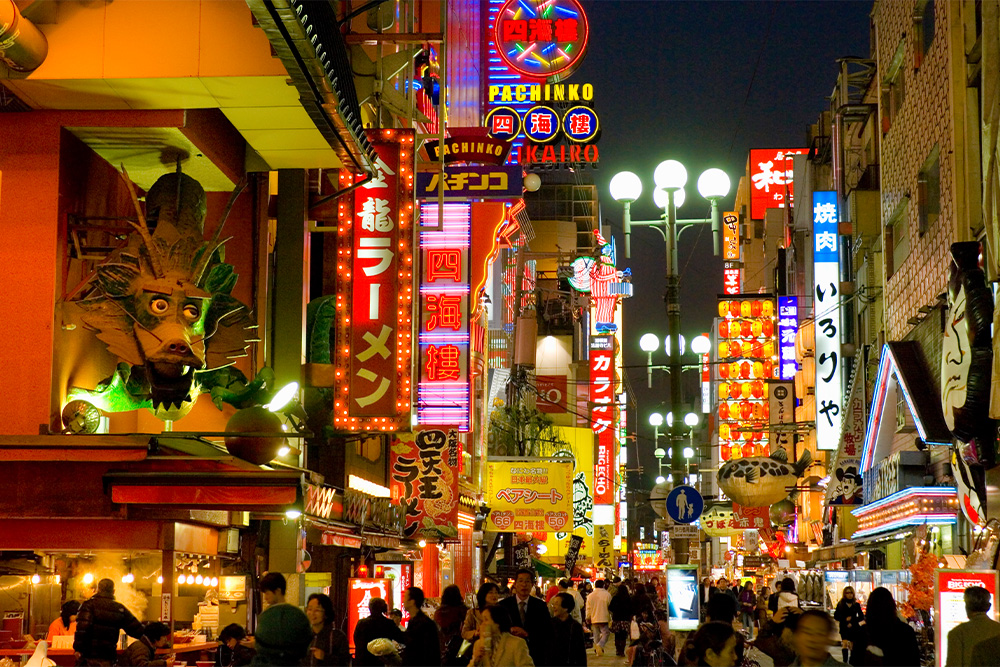
What to see and do in Osaka
Dotonbori
Osaka’s most iconic entertainment district, Dotonbori is a feast for the senses. Think giant neon signs, bustling crowds, and mouthwatering street food like takoyaki and okonomiyaki. Don’t miss the famous Glico running man sign or a stroll along the lively canal.Osaka Castle
One of Japan’s most famous landmarks, Osaka Castle is a beautifully reconstructed fortress surrounded by scenic moats and gardens. Inside, a modern museum tells the story of its role in Japan’s feudal history, while the top floor offers panoramic city views.Kuromon Ichiba Market
Nicknamed “Osaka’s kitchen,” Kuromon Market is a paradise for foodies. Sample everything from grilled scallops and sea urchin to wagyu beef skewers and fresh fruit juices. Enjoy them served street-style in a lively local atmosphere.Universal Studios Japan
From Harry Potter to Nintendo World, Universal Studios Japan offers world-class rides and entertainment with a distinctly Japanese flair. Perfect for families, thrill-seekers, and pop culture fans, it’s a full day of fun just outside central Osaka.Our travel tip when visiting Osaka
Try street food with small portions - Osaka is known as Japan’s kitchen. Try Takoyaki an octopus-filled ball, Okonomiyaki, a savory pancake filled with cabbage and meat, and Kushikatsu, breadcrumbed fried meat or vegetable skewers. Many vendors sell snack-sized portions so you can sample more.4. Hiroshima: History, peace and resilience
Hiroshima is one of the must-see sights in Japan for its moving history and message of peace. Beyond its powerful past, it’s also a beautiful city with thriving culture and nature nearby.
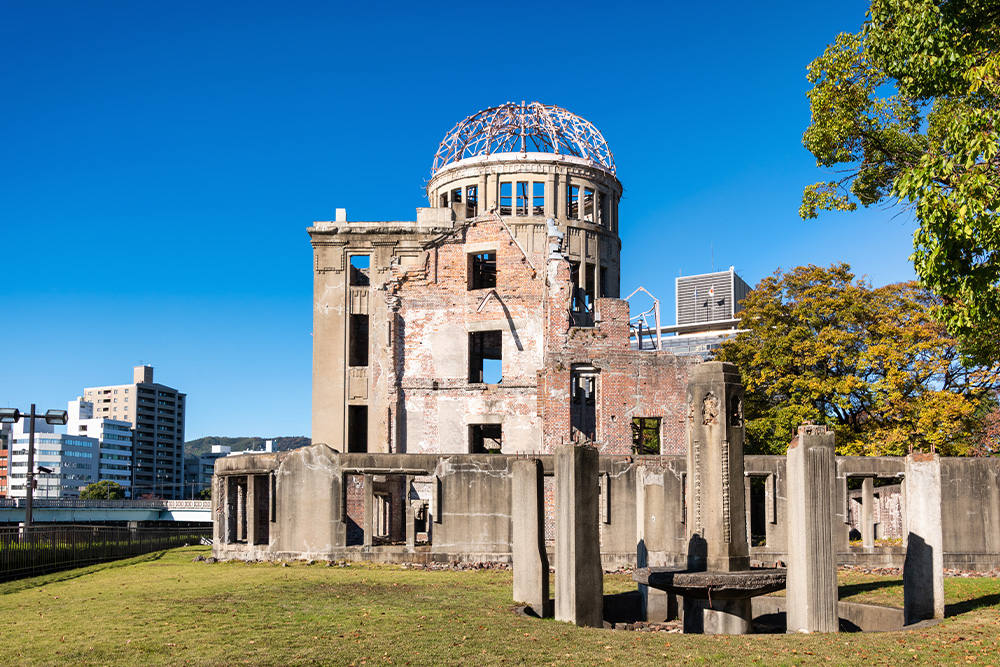
What to see and do in Hiroshima
Hiroshima Peace Memorial Park and Museum
This moving site commemorates the lives lost in the 1945 atomic bombing during the II World War, and highlights Hiroshima’s enduring message of peace. Walk through the park’s monuments, then explore the museum for a powerful, reflective experience.Miyajima Island
Just a short ferry ride from Hiroshima, Miyajima is home to the famous “floating” torii gate of Itsukushima Shrine. The island is also known for its scenic beauty, hiking trails and tame deer that freely roam the streets.Okonomiyaki
Hiroshima’s signature dish, okonomiyaki, is a savoury pancake layered with cabbage, noodles, and your choice of toppings. It’s grilled to perfection right in front of you. Head to Okonomimura, a multi-story complex dedicated entirely to this local favourite.Our travel tip when visiting Hiroshima
Stay overnight for a more relaxed Miyajima experienceMiyajima Island can get quite busy during the day, so staying overnight allows you to enjoy the island at a slower pace and experience its peaceful early mornings, with less crowd.
To see the famous floating torii gate at its best, check the tide schedule and visit during high tide for the floating illusion, or low tide if you’d like to walk right up to it.
If you have a JR Pass, the cost of taking the JR ferry to Miyajima is usually included , making your journey both scenic and cost-effective.
5. Hakone: Hot springs and mountain views
A favourite weekend escape from Tokyo, Hakone offers relaxation and scenic beauty. It’s a must-visit place in Japan for those looking to unwind and soak in nature.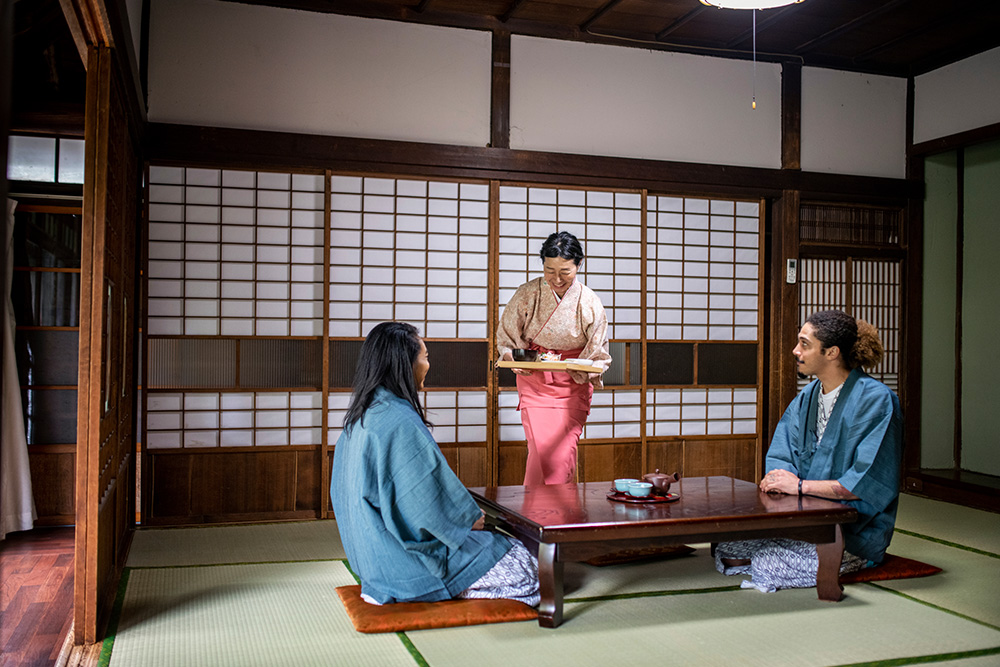
What to see and do in Hakone
Lake Ashi
Cruise across Lake Ashi on a pirate-themed boat while enjoying peaceful waters and, on clear days, stunning views of Mt. Fuji. The lake’s serene setting makes it a great spot for photos and fresh air.Owakudani Valley
Visit this steaming volcanic valley to see bubbling hot springs and try the famous black eggs, boiled in sulfur-rich waters. Local legend says eating one adds seven years to your life.Hakone Open-Air Museum
An outdoor art gallery nestled in the mountains, this museum blends sculptures and nature harmoniously. Highlights include works by Picasso and interactive installations set against forested hills.Traditional ryokan stays and onsen baths
Experience Japanese hospitality in a ryokan, complete with tatami rooms, kaiseki meals, and natural hot spring baths. It’s the perfect way to relax and recharge in Hakone’s peaceful surroundings.
Our travel tip when visiting Hakone
One of the highlights of visiting Hakone is catching a glimpse of Mt. Fuji. However visibility can vary depending on the weather. Clear views are most common in winter and early mornings, when the air is crisp and skies are often clearer. Use weather apps or ask your hotel staff for visibility updates before heading to a viewpoint like Lake Ashi.

When is the best time to visit Japan’s iconic landmarks and cities?
Japan’s seasonal beauty means there’s no wrong time to visit. Each season offers visitors something special.
Spring: Cherry blossom season
- When: Late March to early April
- Best spots: Kyoto, Tokyo’s Ueno Park, Hirosaki Castle
- What to expect: Parks and streets painted pink, hanami (flower-viewing) picnics under the blossoms
Summer: Festivals and fireworks
- When: June to August
- Best spots: Tokyo for fireworks, Kyoto for Gion Matsuri, beaches in Okinawa
- What to expect: High energy, traditional matsuri (festivals), street food and outdoor fun
Autumn: Vibrant foliage and mild weather
- When: October to early December
- Best spots: Nikko, Kyoto temples and Nara Park
- What to expect: fiery red and golden leaves, cooler temperatures and fewer crowds
Winter: Skiing and snow festivals
- When: December to February
- Best spots: Hokkaido, Nagano and the Japanese Alps
- What to expect: world-class ski resorts, snowy landscapes, and events like the Sapporo Snow Festival.
Our top tips when visiting Japan
- Plan by season – Dress appropriately and book early for peak seasons like spring.
- Get a rail pass – JR Passes save time and money for long-distance travel.
- Embrace local etiquette – Respectful behaviour goes a long way.
- Have cash on hand – Not all places accept cards.
- International travel insurance is recommended – From delays to unexpected illness, it's a smart way to protect your holiday.
Ready to plan an unforgettable Japan adventure?
Japan is full of unforgettable experiences, with something for every kind of traveller. Choose from snowy mountains, sunny coastlines, vibrant cities, and world-renowned food destinations. Every region offers something unique, all year round.
Make your dream trip to Japan a reality with RACQ Travel. Book your accommodation, explore holiday packages, and don't forget to add RACQ Travel Insurance.


More articles
Related topics
Things to note
The information in this article has been prepared for general information purposes only and is not intended as legal advice or specific advice to any particular person. Any advice contained in the document is general advice, not intended as legal advice or professional advice and does not take into account any person’s particular circumstances. Before acting on anything based on this advice you should consider its appropriateness to you, having regard to your objectives and needs.
Insurance Products (excluding Travel Insurance) are issued by RACQ Insurance Limited ABN 50 009 704 152 (RACQI) and arranged by RACQ Distribution Services Pty Ltd (RDS) ABN 35 116 361 650, AFSL 567130 and RDS' authorised representatives (including RACQ Operations Pty Ltd ABN 80 009 663 414, AR No. 234978 (RACQO)). Conditions, limits and exclusions apply.
Any advice provided by RDS and RACQO is general advice only and does not take into account your personal objectives, financial situation or needs and you will need to consider whether the advice is appropriate for you. Read the Product Disclosure Statement (PDS) before making a purchase decision on the product. You can also access our Target Market Determinations on this website.
RDS receives a commission from RACQI for the policies it arranges. RACQO receives fees paid for services it provides to RDS. Further details about remuneration are available on request prior to purchasing.
Banking and loan products issued by Members Banking Group Limited ABN 83 087 651 054 AFSL/Australian credit licence 241195 trading as RACQ Bank. Terms, conditions, fees, charges and lending policies apply. This is general advice only and may not be right for you. This information does not take your personal objectives, circumstances or needs into account. Read the disclosure documents for your selected product or service, including the Financial Services Guide and the Terms and Conditions, and consider if appropriate for you before deciding.
Except for RACQ Bank, any RACQ entity referred to on this page is not an authorised deposit-taking institution for the purposes of the Banking Act 1959 (Cth). That entity’s obligations do not represent deposits or other liabilities of RACQ Bank. RACQ Bank does not guarantee or otherwise provide assurance in respect of the obligations of that entity, unless noted otherwise.
RACQ Bank subscribes to the Customer Owned Banking Code of Practice which establishes higher standards than the law requires. The Code reflects modern consumer expectations and developments in approaches to issues such as consumer vulnerability, guarantors, and supporting customers through financial hardship. Please read our Customer Owned Banking Code of Practice page for more information.
RACQ Operations Pty Ltd (ABN 80 009 663 414, AR No. 234978) and Members Travel Group Pty Ltd (ABN 45 144 538 803, AR No.432492) (RACQ) are authorised representatives of the RACQ Travel Insurance insurer Tokio Marine & Nichido Fire Insurance Co., Ltd. (ABN 80 000 438 291 AFSL 246 548) (Tokio Marine). Tokio Marine Management (Australasia) Pty Ltd (ABN 69 001 488 455, AR No. 1313066) is an authorised representative of Tokio Marine, and administers RACQ Travel Insurance as the managing agent on behalf of Tokio Marine. Terms, conditions (including eligibility criteria), exclusions, limits and sub-limits apply. Any advice is general advice only, and does not take into account your specific objectives, financial situation or needs. Before you purchase, please consider the Combined Product Disclosure Statement (PDS) / Financial Services Guide (FSG) and Target Market Determinations (TMDs) available at racq.com or on request from RACQ.