
A complete beginner’s guide to planning your first cruise
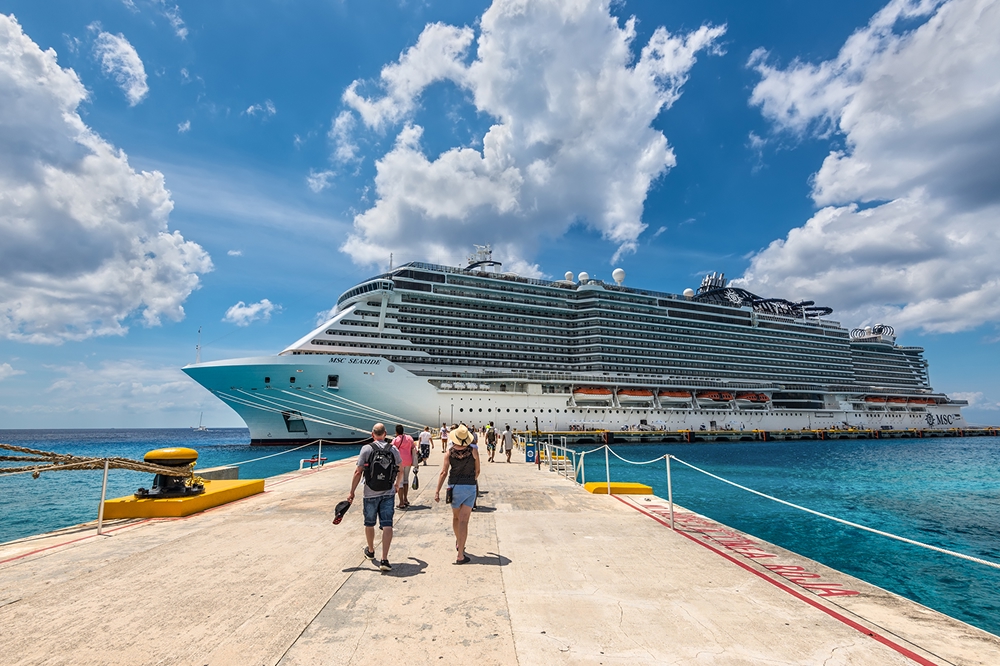
It’s easy to see why cruising appeals to travellers. You unpack once, wake up in new ports, and let someone else handle the logistics. But between choosing a cruise line, understanding what’s actually included in the price, and figuring out what to pack, first-time cruisers often feel overwhelmed before they even book.
This guide breaks down the practical side of cruise planning. We’ll cover how to budget accurately, what documentation you’ll need, when to book, what to think about when considering travel insurance for a cruise5, and what essentials you’ll want to make sure you have. Consider this your checklist for planning your next holiday.
From budgeting to attire, plan your first cruise with these practical tips.
Key Takeaways
Before diving into the details, keep these fundamentals in mind:
- Decide your travel goals first: the right cruise depends on what you want from the experience
- Match the cruise type to your style: not all ships or itineraries feel the same
- Know the best time to sail: weather, crowds, and pricing vary widely
- The season you cruise matters. Europe and Alaska are best from May to September, while the Caribbean and Hawaii shine between December and April
- Budget beyond the ticket price: onboard spending can add up quickly
- Download the Cruise line’s app early: reserve shows, dining, and excursions before they sell out and take advantage of early discounts
What to consider when planning your first cruise
- Consider your travel goals
- Choose your cruise destination
- Understand cruise lines and ship sizes
- Check onboard experiences
- Decide on shore excursions: cruise line or independent?
- Know the best time to sail
- Budget and know the best time to book
- Pack smart
- Learn from what first-time cruisers sometimes get wrong
- Read cruise planning FAQs
Your cruise should fit the way you like to travel. With so many options available, narrowing it down early will make the rest of the planning process much easier.
1. Consider your travel goals
Start by thinking about what you want from the holiday. Are you travelling with children and looking for non-stop activities? Hoping for a relaxed, adults-only escape? Interested in food, culture, or themed entertainment? Different cruise lines cater to very different audiences, and the onboard atmosphere can vary dramatically.
2. Choosing from popular cruise destinations
The ship will be a great source of entertainment, but what about when you dock? What type of excursions outside of the ship are you hoping for?
Caribbean Cruise
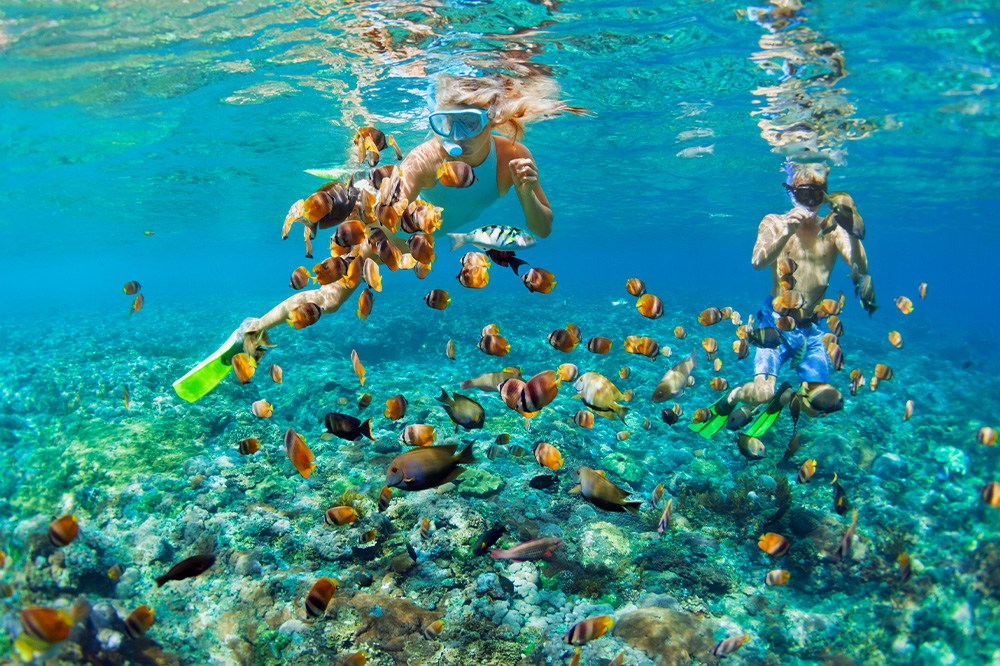
The Caribbean is ideal for beach-hopping, turquoise waters, and laid-back island culture. Expect postcard-perfect beaches, snorkelling opportunities, and vibrant coastal towns, like San Juan in Puerto Rico or Puerto Plata in the Dominican Republic where you can visit the famous umbrella street (Calle San Felipe).
Best for: Relaxed beach lovers, first-time cruisers, warm-weather escapes
Watch out for: Hurricane season (June to November)

Alaskan Cruise
Alaska cruises are renowned for their striking landscapes, featuring glaciers, fjords and towering mountains. Wildlife sightings are common, with opportunities to see whales, bears, eagles and seals along the way.
Best for: Nature, wildlife, glacier viewing
Watch out for: Cooler weather and limited seasonal availability

Mediterranean Cruise
The Mediterranean blends history, culture, and cuisine across multiple countries in one itinerary. From ancient ruins to coastal villages and world-famous cities, it’s a destination rich in variety and exploration.
Best for: Culture, history, food
Watch out for: Crowds in peak European summer (June to September)

South Pacific Cruise
The South Pacific offers crystal-clear lagoons, coral reefs, and relaxed island communities. Many itineraries depart from Australia and visit destinations such as Fiji, Vanuatu, and New Caledonia, making it a convenient tropical escape.
Best for: Short-haul tropical getaways, snorkelling, and island relaxation
Watch out for: Cyclone season (typically November to April) and limited time in smaller island ports

River Cruises
European river cruises offer a more intimate way to explore the continent, travelling along scenic waterways and stopping in charming towns and historic cities that larger ocean ships cannot reach.
Best for: Slower pace, immersive town access
Watch out for: Water levels affecting itineraries

No matter your preference, RACQ Travel offers a variety of cruise experiences to suit your travel style. Embark on a Transpacific adventure aboard one of the largest international ships, Royal Caribbean’s Quantum of the Seas, or enjoy a more intimate Mediterranean voyager with Azamara immersing yourself in Europe’s rich history and culture. Explore our full range of cruises or speak with our travel agents to plan your cruise experience.
Explore more: Best cruise destinations for every travel style
3. Understanding cruise lines and ship sizes
Ship size has a big impact on your experience.
Large cruise ships
Large cruise ships are typically 300–365 meters long and can carry 3,000 to more than 6,500 passengers. These ships function almost like floating resorts, with dozens of restaurants, theatres, Broadway-style entertainment, water parks, kids’ clubs, and multiple pools.
Major cruise lines operating large ships include Royal Caribbean International, Norwegian Cruise Line, and Carnival Cruise Line. Some of the world’s largest ships, such as those in the fleet of Royal Caribbean International, can carry over 6,000 passengers.
While these ships provide plenty of activities, nightlife, family entertainment and dining options, they can feel busy at times and often involve more walking between venues.
Mid-size cruise ships
Mid-size cruise ships are generally 250–300 meters long and typically carry 1,500 to 3,000 passengers. These ships strike a balance between offering a good range of onboard amenities while still maintaining a more relaxed atmosphere than the largest ships.
Cruise lines well known for mid-size ships include Celebrity Cruises and Princess Cruises.
Passengers can usually expect multiple dining venues, theatres, pools, spas, and organised activities, but with fewer crowds compared to mega-ships. For many travellers, mid-size ships offer the best balance between onboard entertainment and comfort.
Small cruise ships
Small cruise ships are usually 120–250 meters long and carry around 100 to 1,500 passengers. These ships provide a more intimate cruise experience and often prioritise destination-focused itineraries.
Cruise lines known for operating smaller ships include Windstar Cruises and Azamara.
Because of their smaller size, these ships can access narrow waterways, smaller ports, and less crowded destinations that large ships cannot reach. While they may offer fewer large-scale attractions, many travellers appreciate the quieter atmosphere, personalised service, and immersive travel experiences.
4. Checking onboard experiences
Look beyond the itinerary and consider what happens at sea. Dining styles range from casual buffets to set seating and specialty restaurants. Entertainment can include Broadway-style shows, live music, lectures, or wellness programs. Some cruises focus on families, while others prioritise adventure, luxury, or relaxation.
5. Deciding on shore excursions: cruise line or independent?
One of the most important decisions you’ll make when planning your cruise isn’t just where the ship goes, but also how you explore each destination once you arrive. Shore excursions shape your on-the-ground experience and your budget. You’ll have two options at most ports: book directly through the cruise line or arrange your own independent tour.
Booking through the cruise line
Pros:
- Ship won’t leave without you if there’s a delay
- Seamless organisation and coordination usually through the cruise line’s app
- you can usually expect a consistent quality of service, similar to what you experience onboard
Cons:
- Can be more expensive
- Less flexibility on the itinerary and group size.
Booking independently
Pros:
- In some destinations, local tour operators may offer lower prices, although costs can vary depending on the group size
- Smaller group experiences
Cons:
- If delayed, the ship can depart without you
- The experience can vary, the quality of service may not always feel as consistent as the service offered by your cruise line
6. Choosing the best time to sail
When you cruise can affect everything from pricing to sea conditions.
- Peak season usually offers the best weather and full onboard programming but expect higher prices and larger crowds.
- Shoulder season often provides a balance of good weather, fewer passengers, and better value.
- Off-peak season can be significantly cheaper, though seas may be rougher and some tourist facilities or shops may be closed.
It's also important to consider regional factors. Caribbean cruises are best planned outside hurricane season (June to November). European cruises are busiest during summer (June to August), while winter cruises can feel quieter but cooler. In Alaska, wildlife sightings and glacier viewing typically peak mid-year. If you have must-do items on your cruise list, make sure that you’ve put yourself there at the right time to experience it.
7. Cruise budgeting and knowing the best time to book
Cruise fares usually include your cabin, main meals, and basic entertainment, but that doesn’t mean everything is covered. Extras like shore excursions, Wi-Fi, drink packages, specialty dining, gratuities, wellness or spa services and onboard purchases can quickly increase your overall spend.
Booking early often gives you access to the best cabin selection and promotional deals, especially for popular itineraries. Last-minute bookings can be cheaper, but they work best if you’re flexible with dates, destinations, and cabin types.
When setting your budget, consider the full cost of the holiday: flights, transfers, pre- or post-cruise accommodation, and travel insurance. Planning for these upfront helps avoid unexpected expenses later.
If you’re unsure which cruise best suits your travel style or budget, contact RACQ Travel agents who can help you compare cruise lines, cabins and itineraries.
8. Smart packing for cruises
Packing for your cruise requires thoughtful planning. Space in your cabin is limited, but forgetting essentials can be inconvenient once you’re at sea.
Key items to pack include essentials such as:
- A valid passport and required travel documents
- Any medications, plus copies of prescriptions
- Your travel insurance policy number and emergency assistance contact details. When you purchase RACQ travel insurance for your cruise5, you can also download a Digital Travel Insurance Travel Card to your mobile wallet for accessing your policy number and the 24/7 Emergency Assistance phone number while travelling.
- Shore exploration items such as comfortable walking shoes
- Poolside relaxation items like sunscreen, swimwear, and weather-appropriate clothing
- Evening and formal attire should there be special events or dinners you want to attend
Pro tip: Cruise lines often recommend that you carry your essential medication and a change of clothes in your carry-on luggage in case your checked luggage is delayed.
Items you may not think about but might find useful:
- Lanyards - the easy way to carry around your cabin card
- Magnetic hooks - allow you to hang items in your cabin
- Waterproof pouch - for your phone for excursions or near the pool
When you’re on the water, you’ll be happy you took the time to bring these items.
Explore more: What to pack for a cruise.
What first-time cruisers sometimes get wrong
Even with careful planning, first-time cruisers can sometimes overlook important details that make the experience smoother and more enjoyable. Here are some of the pitfalls to watch out for:
- Booking the cheapest cabin without checking location - a cabin’s position can affect noise levels, convenience, and accessibility.
- Not downloading the cruise line’s app early enough – Many cruise lines allow you to reserve onboard activities and purchase drink packages or shore excursions in advance through their app. These extras are often discounted during major sales events such as Black Friday, Father’s Day, or Boxing Day. Downloading the app early and keeping an eye out for these offers can help make your cruise holiday more cost-effective.
- Leaving on-board entertainment bookings last minute - Many cruises allow you to browse and pre-book shows, specialty dining, and activities before you sail. Popular performances, Broadway-style shows, and unique onboard experiences can fill up quickly, especially on sea days, so reserving early helps ensure you don’t miss out and can make the most of your time onboard.
- Overpacking - cruise cabins have limited storage, so pack smart.
- Not checking mobile roaming and Wi-Fi charges - onboard connectivity can be expensive. On-board Wi-Fi access is often not included in your fare and can be more affordable if pre-purchased.
- Flying in same day as the embarkment day - delays can cause stress if you miss boarding. Arriving at your departure port at least one day before embarkation can make boarding day more relaxed.
- Not arranging transfers to and from the port before you depart - Ports can get busy with multiple ships arriving and departing on the same days, prepaid transfers are therefore often cheaper.
- Not budgeting for gratuities - tipping isn’t part of Australian culture, so many first-time cruisers underestimate its impact. Gratuities can either be included in the cruise fare or added as a compulsory daily charge, usually around US$12-15 per person per day. It is a good idea to research this when booking your cruise so you know what to expect. Onshore excursions, dining, or using certain facilities may require additional tipping, typically 10–15%. Having some local currency on hand can make paying these tips easier and more convenient.
- Skipping travel insurance for cruise ships5 - Make sure your travel insurance includes the right cruise cover so you can travel with confidence.
- Assuming medical treatment is covered - always check your travel insurance.
- Not checking cancellation policies - cancellation fees vary by cruise line and fare type.
Preparing early gives you more time to focus on enjoying the journey rather than troubleshooting while you travel.
Cruise planning FAQs
1. What travel documents do I need for a cruise vacation?
Cruises can involve multiple countries, even if you never fly between them.
You may need:
- Passport
- Visas (depending on itinerary)
- Vaccination documentation (destination dependent)
- Cruise boarding pass and luggage tags
Important: Some countries treat cruise arrivals differently from air arrivals. Always check requirements carefully.
2. Do I need special travel insurance for a cruise?
Ocean cruises typically require cruise-specific cover for an added premium because international travel insurance may not automatically include medical evacuation at sea.
Cruises are different from other holidays because you may be travelling between multiple countries, spending time at sea, and relying on onboard medical facilities. Medical treatment onboard a ship and emergency evacuations can be expensive, particularly on international cruises. For this reason, when you purchase an RACQ International Travel Insurance policy, ocean cruising usually requires an additional premium and specific cruise cover selection.
Unlike international ocean cruising, international river cruising is automatically covered under RACQ international policy and does not require the addition of the Cruise cover option or payment of an additional premium.
It’s also important to understand that domestic Australian cruises operate differently. While medical evacuation and onboard medical costs may be covered (depending on the cruise type selected), medical treatment received in Australia is not covered under travel insurance as it is usually provided through Medicare.
Consider adding cruise cover5 to your insurance if you are:
- Going on ocean cruising (as opposed to river cruising)
- Taking an international cruise
- Travelling on a vessel without onboard medical facilities
- Seeking coverage for cruise-specific risks not included in standard policies
We recommend reviewing our detailed guide: Which travel insurance policy do I select if I am going on a cruise? This explains exactly which option to choose when getting a quote.
3. How far in advance should I arrive at the departure port?
Most cruise lines recommend to arrive at least one day before your cruise departs. Flight delays, cancellations, or luggage issues can cause unnecessary stress on embarkation day. Arriving early gives you time to relax, adjust, and avoid the risk of missing your cruise departure.
4. Are meals included on a cruise?
Most cruise fares include main dining room meals, buffet dining, and select casual options. However, specialty restaurants and beverage packages usually cost extra. It’s important to check what’s included with your specific cruise line to budget accurately.
Ready for an adventure of a lifetime?
Planning a cruise doesn’t have to be complicated. By starting with your travel goals, choosing the right itinerary, and preparing carefully, you can avoid common first-timer mistakes.
Part of feeling more prepared is making sure you’re protected. Travel insurance is an essential part of cruise planning, covering unexpected medical costs, trip interruptions, and other surprises while at sea or abroad.
For expert advice, contact RACQ Travel. We can help you plan and book your cruise with confidence, so you can focus on the excitement, not the logistics.
Related topics
Things to note
The information in this article has been prepared for general information purposes only and is not intended as legal advice or specific advice to any particular person. Any advice contained in the document is general advice, not intended as legal advice or professional advice and does not take into account any person’s particular circumstances. Before acting on anything based on this advice you should consider its appropriateness to you, having regard to your objectives and needs.
Insurance Products (excluding Travel Insurance) are issued by RACQ Insurance Limited ABN 50 009 704 152 (RACQI) and arranged by RACQ Distribution Services Pty Ltd (RDS) ABN 35 116 361 650, AFSL 567130 and RDS' authorised representatives (including RACQ Operations Pty Ltd ABN 80 009 663 414, AR No. 234978 (RACQO)). Conditions, limits and exclusions apply.
Any advice provided by RDS and RACQO is general advice only and does not take into account your personal objectives, financial situation or needs and you will need to consider whether the advice is appropriate for you. Read the Product Disclosure Statement (PDS) before making a purchase decision on the product. You can also access our Target Market Determinations on this website.
RDS receives a commission from RACQI for the policies it arranges. RACQO receives fees paid for services it provides to RDS. Further details about remuneration are available on request prior to purchasing.
Banking and loan products issued by Members Banking Group Limited ABN 83 087 651 054 AFSL/Australian credit licence 241195 trading as RACQ Bank. Terms, conditions, fees, charges and lending policies apply. This is general advice only and may not be right for you. This information does not take your personal objectives, circumstances or needs into account. Read the disclosure documents for your selected product or service, including the Financial Services Guide and the Terms and Conditions, and consider if appropriate for you before deciding.
Except for RACQ Bank, any RACQ entity referred to on this page is not an authorised deposit-taking institution for the purposes of the Banking Act 1959 (Cth). That entity’s obligations do not represent deposits or other liabilities of RACQ Bank. RACQ Bank does not guarantee or otherwise provide assurance in respect of the obligations of that entity, unless noted otherwise.
RACQ Bank subscribes to the Customer Owned Banking Code of Practice which establishes higher standards than the law requires. The Code reflects modern consumer expectations and developments in approaches to issues such as consumer vulnerability, guarantors, and supporting customers through financial hardship. Please read our Customer Owned Banking Code of Practice page for more information.
RACQ Operations Pty Ltd (ABN 80 009 663 414, AR No. 234978) and Members Travel Group Pty Ltd (ABN 45 144 538 803, AR No.432492) (RACQ) are authorised representatives of the RACQ Travel Insurance insurer Tokio Marine & Nichido Fire Insurance Co., Ltd. (ABN 80 000 438 291 AFSL 246 548) (Tokio Marine). Tokio Marine Management (Australasia) Pty Ltd (ABN 69 001 488 455, AR No. 1313066) is an authorised representative of Tokio Marine, and administers RACQ Travel Insurance as the managing agent on behalf of Tokio Marine. Terms, conditions (including eligibility criteria), exclusions, limits and sub-limits apply. Any advice is general advice only, and does not take into account your specific objectives, financial situation or needs. Before you purchase, please consider the Combined Product Disclosure Statement (PDS) / Financial Services Guide (FSG) and Target Market Determinations (TMDs) available at racq.com or on request from RACQ.
5Refer to Combined Product Disclosure Statement (PDS) / Financial Services Guide (FSG) to determine if Cruise Cover is required for your trip. Terms, conditions, limits, sub-limits and exclusions apply.