
Plan your trip to Japan
If you’ve ever had dreams of sitting under the delicate Sakura blossoms in Kyoto, enjoying a steaming hot bowl of ramen in Tokyo, or skiing down the powdery slopes of Hokkaido, then Japan is probably high on your travel bucket-list.
With a unique blend of ancient tradition and cutting-edge innovation, it's no wonder so many travellers flock to the ‘Land of the Rising Sun’. In this guide, we’ll walk you through some of the most important information you’ll want to know before you visit Japan. Learn about the best times to go, top places to visit, unforgettable experiences, and expert travel tips to make your Japanese adventure unforgettable.
Know before you go - Travel planning essentials
Visa Requirements
Australians can visit Japan for up to 90 days without a visa for tourism, business, or visiting friends and family, thanks to the visa exemption scheme. Check your eligibility for visa-free travel and requirements at the Smarttraveller website.
Currency & payment methods
Japan uses the Japanese Yen (JPY). While credit cards are increasingly accepted, cash is still king, especially in rural areas. Check exchange rates and carry enough cash to cover daily expenses.
Travel insurance
No matter how you plan to experience Japan, we recommend that you consider purchasing travel insurance. It acts as a financial safeguard against the unexpected. This section only provides a summary of the policy benefits. Review each section of the Combined Product Disclosure Statement (PDS) / Financial Services Guide (FSG) for terms, conditions, exclusions, limits, sub-limits, and any general exclusions that apply.
RACQ offers cover that suits different travel styles:
- Families: Cover for lost luggage, and medical emergencies that may help protect you and your loved ones from unexpected costs.
- Seniors: Travel insurance options with overseas medical expenses included, so you can enjoy the journey with confidence.
- Solo travellers & adventure seekers: Add optional cover for ski and snowboard activities or for extra confidence on the slopes or trails.
- Cruise lovers: Don't forget to add cruise cover5 to help you stay protected while you're at sea.
When you buy travel insurance for Japan, you can also tailor your policy with optional extras like ski and winter sports cover, available on selected plans ideal for those heading to Japan’s famous powder regions.

When is the best time to go to Japan
Japan is truly a year-round destination, but your ideal travel time depends on what you’re looking for. Each season transforms the country in its own unique way. There's something for nature lovers, foodies, adventure seekers and culture buffs.
-
 Spring (March to May)This is one of the most popular times to visit, and for good reason. The weather is mild, and the days are getting longer. The entire country bursts into soft shades of pink and white as cherry blossoms (sakura) bloom. Locals and travellers alike gather under the trees for hanami (flower viewing picnics), providing a festive and romantic atmosphere. It’s also a popular season for outdoor sightseeing in cities like Kyoto, Nara and Hiroshima. Here, you can visit traditional temples and shrines framed by blossoms.
 -
 Summer (June to August)Summer in Japan brings heat, humidity, and a whole lot of fun. It's the season of vibrant festivals, fireworks displays (hanabi), and open-air food stalls. It’s also a fantastic time for hiking in the Japanese Alps or exploring the cooler, rural island of Hokkaido. The rainy season (tsuyu) typically hits in June, especially in the south, but it’s often short-lived and followed by sunny skies. Just be prepared for high temperatures and bring light, breathable clothing.
 -
 Autumn (September to November)If you love rich colours and comfortable temperatures, autumn might be the perfect time to visit. The landscape transforms into a fiery canvas of red, orange, and gold as koyo (autumn leaves) sweep across parks, mountains, and temple grounds. The weather is crisp but pleasant. Conditions are ideal for sightseeing, hiking, and exploring both cities and countryside. Autumn also ushers in harvest festivals. Seasonal cuisine like matsutake mushrooms, chestnuts and sweet potatoes take centre stage.
 -
 Winter (December to February)Japan becomes a snow-covered wonderland in winter, especially in the northern regions and mountain towns. If you’re into skiing or snowboarding, places like Niseko, Hakuba, and Nozawa Onsen offer some of the world’s best powder. After a day on the slopes, soak your muscles in a steaming onsen (hot spring). In the cities, you’ll find festive illuminations and New Year celebrations. Even in colder weather, winter brings its own kind of magic, and fewer crowds at major tourist spots.


When does it snow in Japan?
Snowfall in Japan typically occurs from December through March. However, the exact timing and intensity varies significantly depending on the region.
Northern Japan
This region, and especially Hokkaido, is renowned for its light, fluffy powder snow. It experiences some of the earliest and heaviest snowfall. This can begin as early as November and continue into April. Winter sports enthusiasts from around the globe visit resorts like Niseko and Furano to take advantage of these conditions.
Central Honshu
In the central region of Japan, and particularly the Japanese Alps, the snow season runs from December to March. Peak snow accumulation is usually January and February. Resorts in Nagano and Niigata offer world-class skiing and snowboarding, as well as traditional onsen villages where visitors can warm up after a day on the slopes.
Southern Japan
The southern regions of Japan like Kyushu receive little to no snow, and cities like Tokyo, Kyoto, and Osaka usually see only light flurries, if any. If you want to pair your visit to the southern region of Japan with one of the above snowy destinations, you can easily do so via train. Japan's efficient train network gets you from urban areas to winter getaways.
When is cherry blossom (sakura) season in Japan?
Cherry blossom season usually begins in late March and continues through early April. Known locally as sakura season, it is one of the most iconic and anticipated times to visit Japan. The exact timing varies by region and weather patterns each year.
In central Japan, cities like Tokyo, Kyoto, and Osaka usually reach full bloom (called mankai) in early April. Expect to see stunning displays of pink and white blossoms in parks, along riverbanks and around historic temples and shrines.
Further south, places like Kyushu may see blossoms as early as mid to late March, while in northern areas like Hokkaido, the trees bloom later (usually between late April and early May) giving travellers a second chance to catch the sakura.
Popular destinations for first-time visitors to Japan
With so many incredible Japanese destinations to choose from, planning your first trip to Japan can feel a little overwhelming. Each region offers its own distinct blend of culture, history and unforgettable experiences.
To help you get started, we’ve highlighted five must-visit locations that offer a perfect introduction to Japan’s rich traditions, mouthwatering cuisine, and breathtaking scenery.

1. Tokyo
As Japan’s capital and largest city, Tokyo is a thrilling mix of modern marvels and historic landmarks. Here you'll see futuristic skyscrapers and experience world-class shopping in Shibuya and Shinjuku. When you're ready for a quieter outing you might visit the peaceful shrines in Asakusa or walk through centuries-old temples. Tokyo offers something for every type of traveller.

2. Kyoto
Often referred to as the cultural heart of Japan, Kyoto is renowned for its preserved historic districts, Zen gardens, and traditional tea ceremonies. Here, you can wander through bamboo groves in Arashiyama, marvel at golden temples like Kinkaku-ji, or see geisha in the Gion district. Spring and autumn are particularly breathtaking, with cherry blossoms and vivid fall foliage transforming the city into a postcard-perfect landscape.

3. Osaka
Known as Japan’s food capital, Osaka is famous for its street food culture. Get a taste of takoyaki (octopus balls) and okonomiyaki (savory pancakes). Beyond food, the city boasts lively entertainment districts like Dotonbori and historic landmarks such as Osaka Castle. It's got a more laid-back vibe compared to Tokyo and is also a great base for day trips to Kyoto, Nara and Kobe.

4. Hiroshima
Hiroshima is a city that symbolises peace and resilience. It offers a moving look into Japan’s history with a visit to the Peace Memorial Park and Museum. The city is also home to beautiful attractions like Miyajima Island, famous for its floating torii gate and friendly deer. Spring is ideal for visiting Hiroshima, as the city is lined with cherry trees that bloom around the Peace Park.

5. Hokkaido
Located in Japan’s far north, Hokkaido is a dream destination for nature lovers and winter sports enthusiasts. The region is known for its snow-covered mountains, onsen (hot springs), and seasonal festivals like the Sapporo Snow Festival in February. Hokkaido’s wide-open spaces and slower pace offer a refreshing contrast to the bustle of the cities. It’s also stunning in summer, when lavender fields bloom in Furano.
Unique experiences and adventures - things to do in Japan
Japan is a country like no other. It's bursting with once-in-a-lifetime experiences and activities that can make your trip truly unforgettable. Here are just a few adventures you can only find in Japan:
1. Race go-karts through the streets of Tokyo
Feel like a video game character as you zip past landmarks like Tokyo Tower dressed in costume. It's a wild, adrenaline-filled way to explore the city and makes for unbeatable photo ops. To join the fun, you’ll need an international driving permit (IDP) so be sure to sort this out before you go.
2. Experience the magic of Tokyo Disney and DisneySea
These world-famous theme parks combine Japanese hospitality with Disney wonder. With unique attractions that you won't find in any other Disney parks, it's the perfect place for families, couples and big kids at heart.
3. Marvel at Mt. Fuji
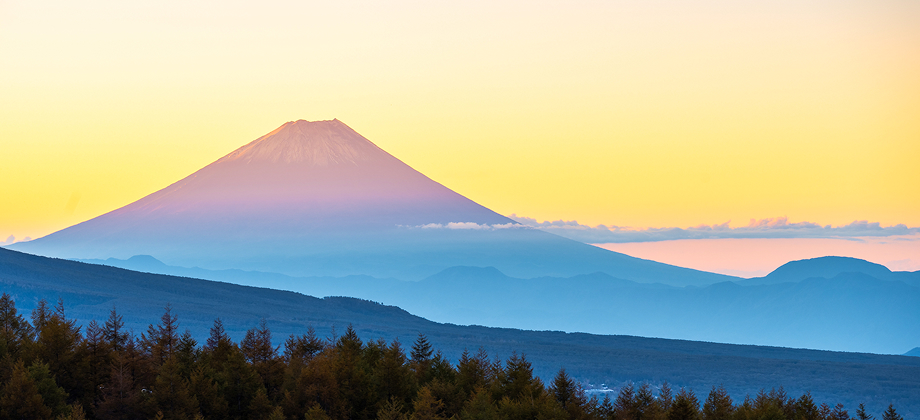
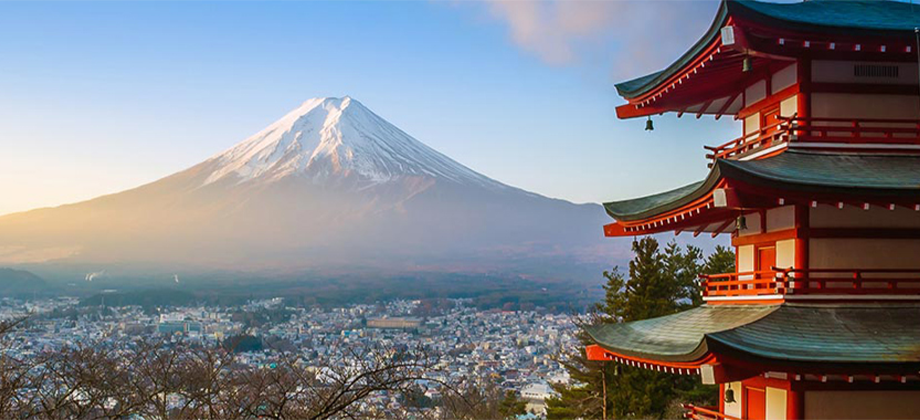
Visit Mt Fuji or simply soak up the views from nearby towns like Hakone or Kawaguchiko. Seeing Japan’s iconic peak is a bucket-list moment. Visit in summer for climbing or winter for snow-covered postcard views.
4. Watch a sumo match
Experience the power and pageantry of Japan’s national sport at a sumo tournament. You'll be able to find them held in cities like Tokyo, Osaka and Fukuoka throughout the year. It’s a fascinating window into Japanese tradition and sporting culture.
5. Unwind in a traditional onsen
Soak your worries away in one of Japan’s many hot spring resorts, from rustic countryside baths to luxurious ryokans. Onsens are not only relaxing, they’re also steeped in Japanese ritual and etiquette.
6. Hit the slopes in world-class snow resorts
Japan is a dream destination for snow lovers. With powdery snow, scenic alpine villages, and excellent facilities, regions like Hokkaido, Nagano, and Niigata are perfect for skiing and snowboarding from December to March.
Navigating Japan: transport and getting around
Getting around Japan is surprisingly easy. You’ll find a variety of transport options to suit your itinerary and travel style. From high-speed bullet trains to regional buses and rental cars, here’s what you need to know to travel Japan with confidence.
Public transport system
Japan’s public transportation system is a traveller's dream. It's punctual, safe and incredibly extensive. Trains and subways are the primary modes of transport in urban areas, particularly in major cities like Tokyo, Osaka and Kyoto. Buses and trams also provide great service in smaller cities and rural towns.
Bullet train
Japan’s iconic shinkansen, or bullet trains, are the gold standard of high-speed rail travel. These trains can reach speeds of up to 320 km/h (200 mph) and connect major cities across the country in a matter of hours. For example, you can travel from Tokyo to Kyoto in just over two hours. Ticket prices vary by route and seat class, but a one-way fare from Tokyo to Kyoto typically costs around ¥13,000–¥15,000 (AUD $130–$150) for a reserved seat.
Save on train travel with a Japan Rail Pass (JR Pass) if you are planning multiple bullet train journeys. The JR Pass is highly recommended, as individual trips can quickly add up. Available only to international tourists, the pass allows unlimited travel on most JR trains, including the famous shinkansen (bullet trains). They can be purchased for a set period (7, 14 or 21 days) depending on what you need for your trip. If you plan to visit multiple cities or regions, the JR Pass can easily pay for itself within a few trips.
Riding the shinkansen is more than just practical, it’s part of the Japan experience. You’ll get to enjoy smooth rides, scenic views and impeccable service.
Renting a car
Renting a car is a great option if you're planning to explore rural or remote areas where trains and buses are less frequent. For example, getting to the mountains of Hokkaido or the countryside of Kyushu may be more convenient in a car. Likewise, a car might be the best choice if you've dreamt of experiencing a coastal drive along Okinawa.
Keep in mind that driving in Japan requires an International Driving Permit (IDP) in addition to your valid Australian driver’s licence. Roads are well-maintained, but signage may not always be in English, and toll roads can add extra costs to your journey.
Read our full guide on what you need to know about international driving permits for your overseas travel.
Taxi options
Taxis in Japan are safe, clean and easy to spot, but they can be expensive. Flagfall fares can start around ¥400–¥700 (AUD $4–$7) and increase quickly over distance or at night.
Taxis are best reserved for short city rides, late-night travel when trains stop running, or if you have heavy luggage. Keep in mind that drivers may not speak English, so it’s helpful to have your destination written down in Japanese or use a translation app.
Ride-hailing apps like GO and Japan Taxi also operate in major cities and can be convenient alternatives to flagging down a cab.
Organised tours
For travellers who prefer a stress-free, curated experience, organised tours are a great option. They take care of transportation, logistics, and sometimes even meals. The advantage of a tour is that it makes it easy to sit back and soak in the sights.
Tours range from day trips (like visiting Mt. Fuji or exploring the temples of Kyoto) to multi-day excursions across different regions. They’re especially helpful for accessing places that are harder to reach by public transport or where English signage may be limited.
Look for tour packages that align with your interests, whether it’s food-focused walking tours, ski holidays, historical landmarks, or cherry blossom cruises.
Cultural etiquette and differences
Japanese culture emphasizes respect, harmony, and politeness. Key etiquette points include:
- Bowing instead of handshakes.
- No tipping - it's not customary and can even be considered rude.
- Being quiet when on public transport – it’s frowned upon to talk on your phone or loudly to others
- Removing shoes when entering homes or some restaurants.
- Proper chopstick use - never stick them upright in rice.
Learn some basic Japanese that will come handy
It may also be helpful to learn and understand a few words and phrases.
A few essential phrases are:
- Hello – こんにちは (Konnichiwa)
- Thank you – ありがとう (Arigatou)
- Please – おねがいします (Onegaishimasu)
- Sorry – ごめんなさい (Gomen nasai)
- I don't understand – わかりません (Wakarimasen)
- Delicious – おいしい (Oishii)
Let RACQ help organise your travel essentials
From insurance to car hire, RACQ has you covered for your Japan holiday.



Our travel tips
- Budget wisely: Japan can be expensive, so plan for meals, transport and entrance fees.
- Pack smart: Layers are key, especially with seasonal shifts.
- Stay safe: Japan is one of the safest countries but stay alert in crowded areas.
- Consider travel insurance: It can help protect your health and your wallet.
- Driving: An International Driving Permit is mandatory for driving or go-karting.
Stay safe while exploring Japan
- Natural disasters can occur, including typhoons (July–October), earthquakes and tsunamis. Sign up for updates on Smartraveller before you go.
- Altitude sickness is rare but possible in mountainous areas. If heading to high altitudes for skiing or hiking, stay hydrated and ascend gradually.
Questions RACQ Travel gets asked often
Contact us
Need help or would like to know more? RACQ offers many convenient ways for you to get in touch with us.



Explore more with RACQ
Things to note
Insurance Products (excluding Travel Insurance) are issued by RACQ Insurance Limited ABN 50 009 704 152 (RACQI) and arranged by RACQ Distribution Services Pty Ltd (RDS) ABN 35 116 361 650, AFSL 567130 and RDS' authorised representatives (including RACQ Operations Pty Ltd ABN 80 009 663 414, AR No. 234978 (RACQO)). Conditions, limits and exclusions apply.
Any advice provided by RDS and RACQO is general advice only and does not take into account your personal objectives, financial situation or needs and you will need to consider whether the advice is appropriate for you. Read the Product Disclosure Statement (PDS) before making a purchase decision on the product. You can also access our Target Market Determinations on this website.
RDS receives a commission from RACQI for the policies it arranges. RACQO receives fees paid for services it provides to RDS. Further details about remuneration are available on request prior to purchasing.
Banking and loan products issued by Members Banking Group Limited ABN 83 087 651 054 AFSL/Australian credit licence 241195 trading as RACQ Bank. Terms, conditions, fees, charges and lending policies apply. This is general advice only and may not be right for you. This information does not take your personal objectives, circumstances or needs into account. Read the disclosure documents for your selected product or service, including the Financial Services Guide and the Terms and Conditions, and consider if appropriate for you before deciding.
Except for RACQ Bank, any RACQ entity referred to on this page is not an authorised deposit-taking institution for the purposes of the Banking Act 1959 (Cth). That entity’s obligations do not represent deposits or other liabilities of RACQ Bank. RACQ Bank does not guarantee or otherwise provide assurance in respect of the obligations of that entity, unless noted otherwise.
RACQ Bank subscribes to the Customer Owned Banking Code of Practice which establishes higher standards than the law requires. The Code reflects modern consumer expectations and developments in approaches to issues such as consumer vulnerability, guarantors, and supporting customers through financial hardship. Please read our Customer Owned Banking Code of Practice page for more information.
1Terms, conditions (including eligibility criteria), limits, sub-limits and exclusions apply. Refer to Combined Product Disclosure Statement (PDS) / Financial Services Guide (FSG) for full details. Some cover benefit limits or sub-limits may be less than your chosen excess and therefore the insurer may not contribute anything to your claim.
5Refer to Combined Product Disclosure Statement (PDS) / Financial Services Guide (FSG) to determine if Cruise Cover is required for your trip. Terms, conditions, limits, sub-limits and exclusions apply.
RACQ Operations Pty Ltd (ABN 80 009 663 414, AR No. 234978) and Members Travel Group Pty Ltd (ABN 45 144 538 803, AR No.432492) (RACQ) are authorised representatives of the RACQ Travel Insurance insurer Tokio Marine & Nichido Fire Insurance Co., Ltd. (ABN 80 000 438 291 AFSL 246 548) (Tokio Marine). Tokio Marine Management (Australasia) Pty Ltd (ABN 69 001 488 455, AR No. 1313066) is an authorised representative of Tokio Marine, and administers RACQ Travel Insurance as the managing agent on behalf of Tokio Marine. Terms, conditions (including eligibility criteria), exclusions, limits and sub-limits apply. Any advice is general advice only, and does not take into account your specific objectives, financial situation or needs. Before you purchase, please consider the Combined Product Disclosure Statement (PDS) / Financial Services Guide (FSG) and Target Market Determinations (TMDs) available at racq.com or on request from RACQ.